

Last updated October 30, 2026
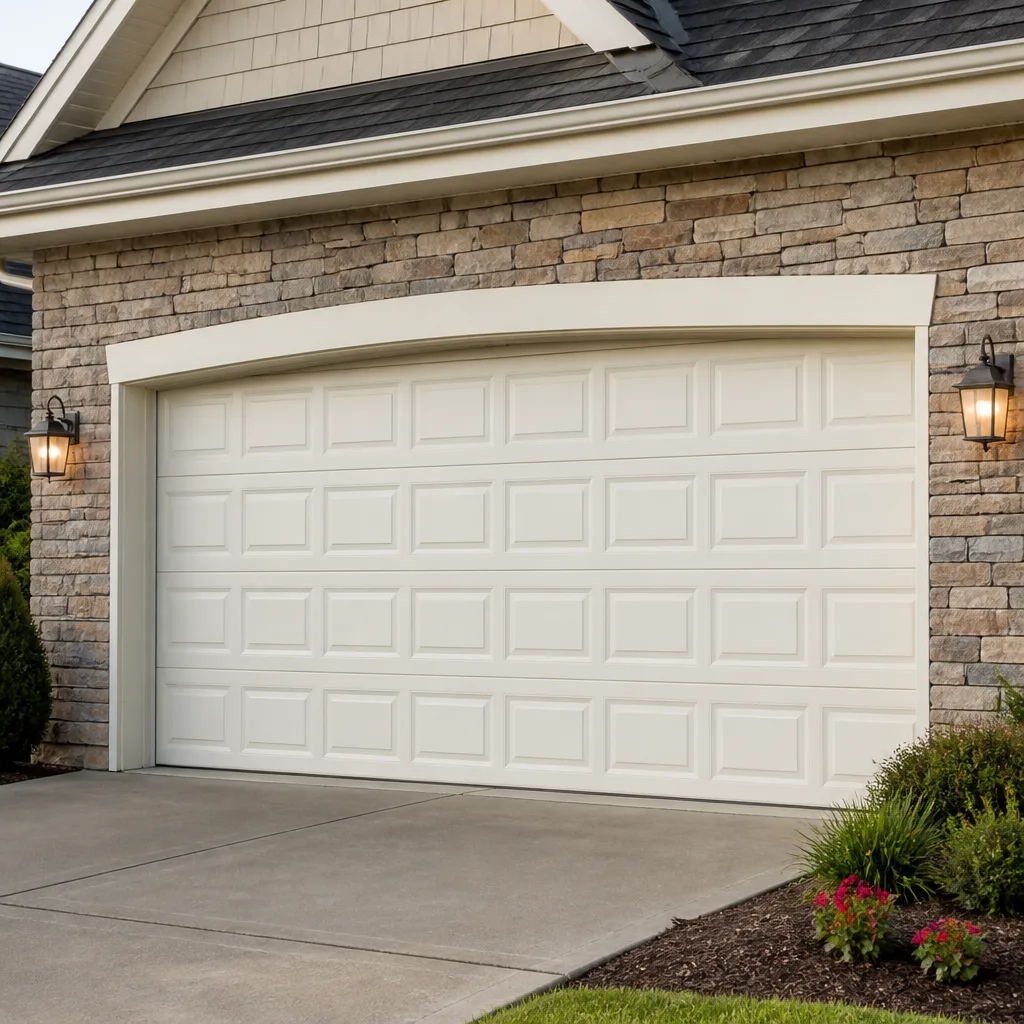 Raised-panel steel
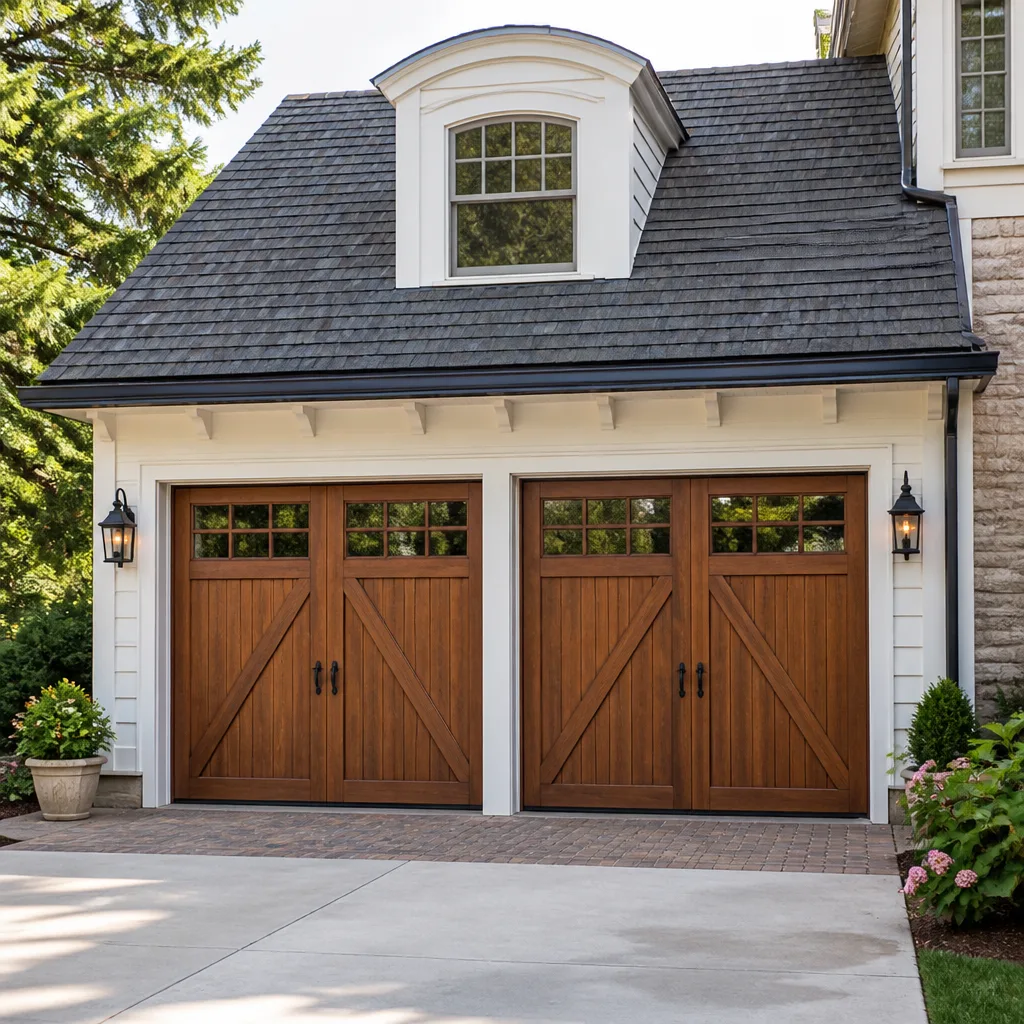 Carriage house
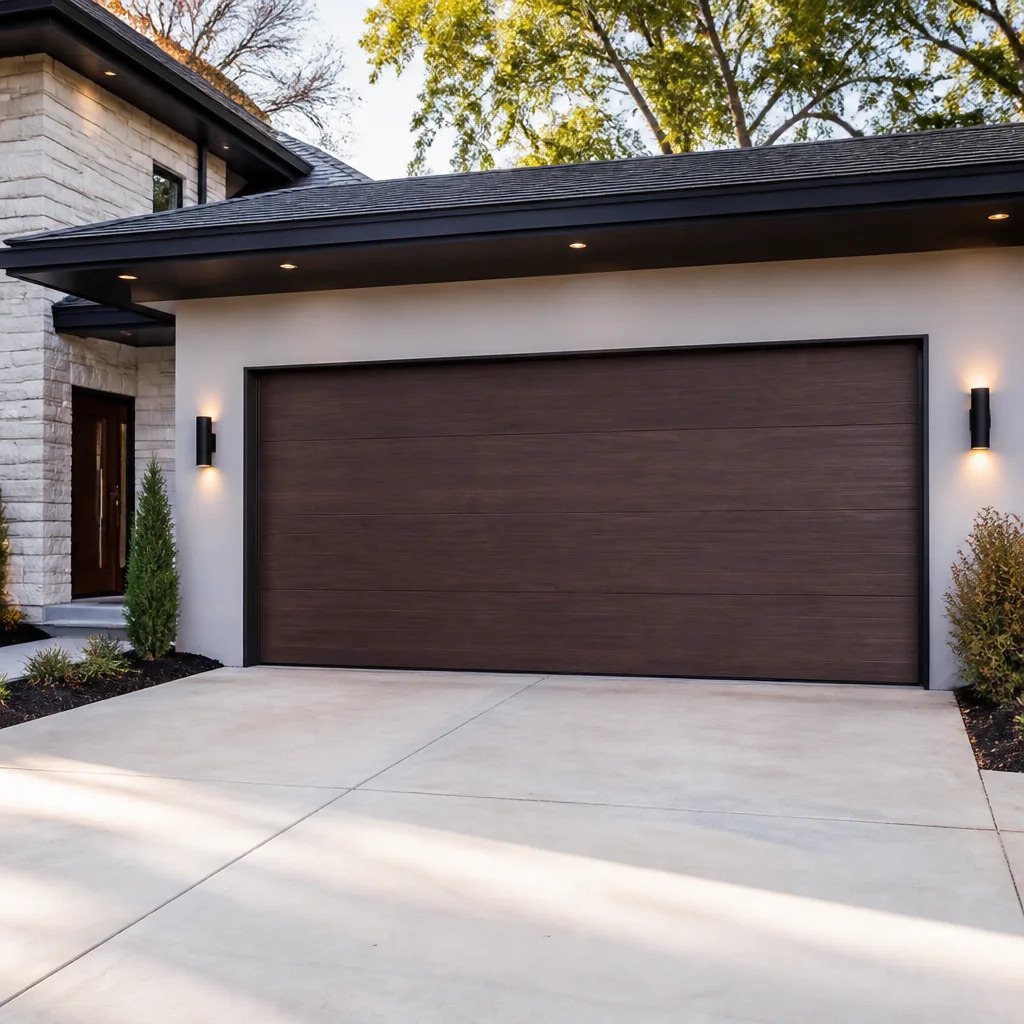 Modern flush
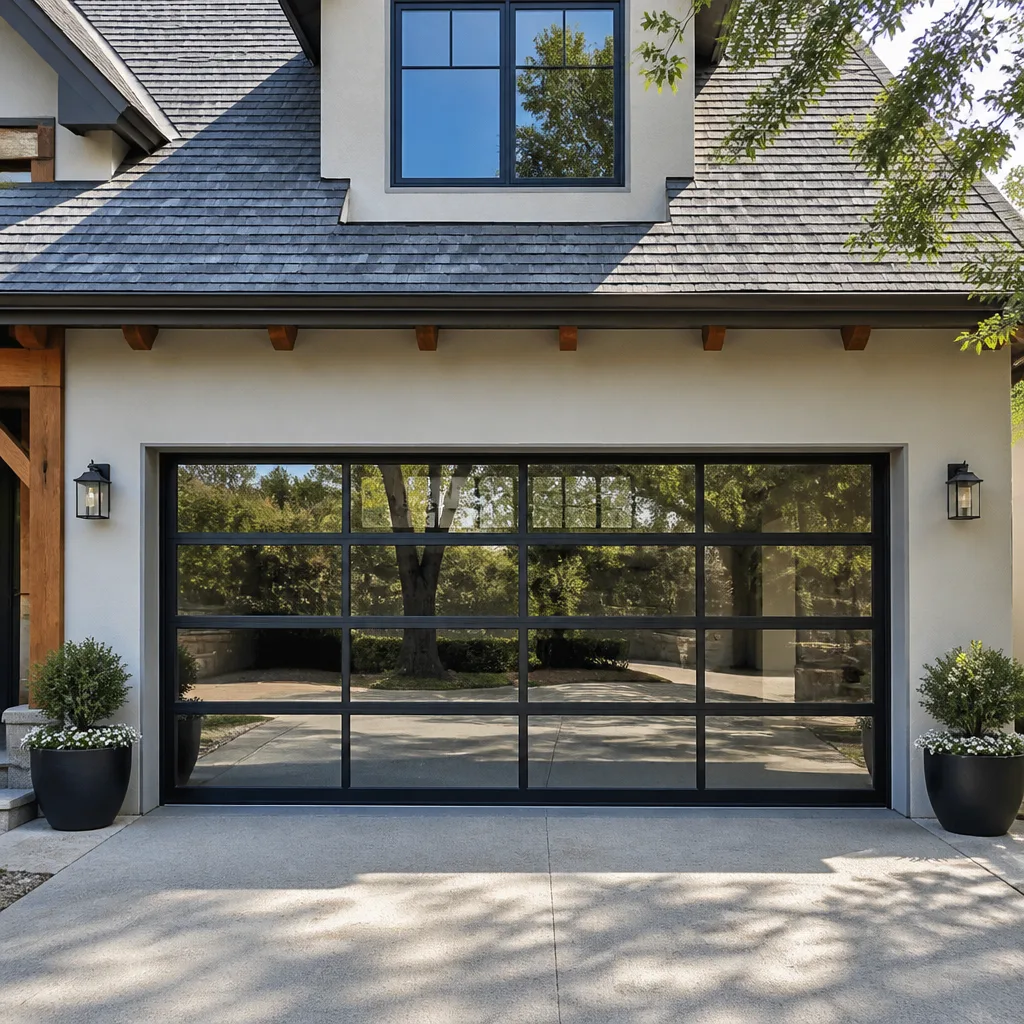 Full-view glass
 LiftMaster openers
 Chamberlain openers
Full 25-point door and opener safety check with every visit - springs, cables, rollers, tracks, and your LiftMaster or Chamberlain opener included
You get a price before we start. It does not change when the truck arrives.
Get your free estimateGarage Door Permits, Codes & Inspections in FL: What You Need to Know
If you sell your Orlando home and the permit history shows a garage door replacement with no permit pulled, your buyer’s inspector will flag it. You’ll either fix it before closing or watch the sale price take a hit. Most Florida homeowners discover this reality years after the work was done, usually when it’s most expensive to correct. Garage door permitting in Florida isn’t a suggestion buried in municipal fine print. It’s a consequence of the state’s hurricane building code, and it catches people off guard with surprising regularity. This guide covers when a permit is legally required, what wind-load ratings actually mean for your door, how to check Orlando’s permit portal for unpermitted work, what inspectors look for, and how to clean up a past mistake before it becomes a closing problem.
Styles & brands we work with
Quick Answer
In Florida, a building permit is required for any garage door installation or full replacement, but not for routine repairs like spring replacement, panel realignment, or opener swaps that leave the structural opening unchanged. The requirement exists because of Florida Building Code Section 1609, which mandates wind-load ratings on all exterior openings in hurricane-prone regions like Orange County. Before you install a new garage door in Orlando, verify wind-load compliance and pull the permit. Skipping it can complicate a future home sale and give your insurer a reason to deny a storm-damage claim. See our Garage Door Repair Troubleshooting: Common Problems and How to Fix Them if you’re unsure whether your current door needs replacement.
Table of Contents
- When Is a Garage Door Permit Required in Florida?
- Florida Building Code Section 1609: Wind-Load Ratings Explained
- How to Check Orlando’s Permit Portal for Unpermitted Work
- What Inspectors Actually Check During a Garage Door Inspection
- How to Handle an Unpermitted Garage Door on a Home You Already Own
- Repair vs. Replacement vs. Opener: Where the Line Is
- What Permits and Inspections Cost in Orange County
- Common Mistakes to Avoid
- When to Call a Professional
- Frequently Asked Questions
- The Bottom Line
When Is a Garage Door Permit Required in Florida?
Florida law treats a garage door as part of the building envelope, the same category as exterior walls, roofing, and windows. That means any time you remove an existing door and install a new one, you’re altering the structure and need a permit. The rule applies whether the new door is the same size or a different size, and it applies regardless of who does the work. A homeowner pulling their own permit has the same wind-load documentation requirements as a licensed contractor.
Here’s the practical breakdown for Orlando homeowners:
- Full door replacement: Permit required. The old door comes out, a new one goes in, and the opening must meet current wind-load standards. Even replacing a 1990s door with a modern one triggers the requirement if the old door was never engineered for current wind speeds.
- New installation where no door existed: Permit required. Converting a carport to a garage or enclosing an opening means the new door becomes part of the structural design.
- Spring replacement, cable repair, panel realignment, roller replacement: No permit required. These are maintenance and repair items on the existing hardware. The door opening itself isn’t modified.
- Garage door opener replacement or addition: No building permit required in most Florida jurisdictions, including Orange County. Openers are electrical accessories, not structural components. However, if the opener installation requires a new dedicated circuit, a separate electrical permit may apply depending on the scope of wiring work.
- Replacing a single damaged panel on an existing door: Generally no permit required, as long as the door’s structural assembly and wind-load rating are unchanged.
In our experience working on garage doors across Orlando, the single most common permitting mistake is a homeowner buying a door from a big-box store, having a handyman install it, and never knowing that the handyman should have pulled a permit. The door works fine. The problem surfaces years later. If you’re working with a garage door installation company in Orlando, ask directly whether the price includes the permit and the inspection scheduling. A company that hesitates on that question is not one you want cutting into your home’s structural opening.
Florida Building Code Section 1609: Wind-Load Ratings Explained
Florida Building Code Section 1609 governs wind loads on structures, and it’s the single biggest reason garage door permits exist in this state. The code requires that every exterior opening, including garage doors, be designed and tested to withstand the wind pressures specific to its geographic location. Orlando sits in a wind-borne debris region, which means the requirements are stricter than in inland states and even stricter than in some Florida coastal areas with lower wind-speed maps.
What this means in practical terms:
- Wind-load rating is not optional. A garage door sold in Orlando must carry a design pressure rating that meets or exceeds the requirements for Orange County’s wind speed zone. The rating is expressed in pounds per square foot (psf), and the required number varies by door size, building height, and exposure category.
- The larger the door, the higher the load requirement. A 16-foot double-wide door needs stronger reinforcement than an 8-foot single door. This is why over-simplified answers like “just buy a hurricane-rated door” aren’t sufficient. The specific product approval number must match the actual door size and installation conditions.
- Product approvals are public records. Florida maintains a statewide product approval database maintained by the Department of Business and Professional Regulation. Any garage door installed with a permit must have a Florida Product Approval number. Without one, the inspector won’t sign off, and the permit stays open.
- Reinforcement struts are often required. Many garage doors in Orlando need vertical or horizontal steel struts bolted to the interior face to achieve the required wind-load rating. This is particularly common on double-wide doors and doors with windows. A door that meets wind-load standards without struts at a small size may need them at a larger size.
- Laminated glass matters. If your garage door has windows, the glazing must be impact-resistant or protected by an approved shutter system, the same requirement that applies to windows in the rest of the home.
We work across multiple manufacturers including Amarr, Wayne Dalton, and Raynor, and every one of them produces wind-load-rated doors specific to Florida’s market. The key is that the door must be ordered with the correct reinforcement package for the specific opening. A door that meets Miami-Dade standards isn’t automatically compliant in Orlando, and vice versa. The wind speed maps differ, and so do the product requirements.
How to Check Orlando’s Permit Portal for Unpermitted Work
Orange County maintains an online permit portal that lets any homeowner search their property’s permit history by address. The search is free, and it’s the fastest way to find out whether a previous owner pulled a permit for garage door work. Here’s how to do it:
- Go to the Orange County Fast Track Online Services portal. The county’s permitting division hosts the search tool. Look for the “Search Permits” or “Permit Inquiry” option.
- Enter your property address. Use the exact address format that appears on your property appraiser’s record, including street type (Street, Avenue, Boulevard, etc.).
- Review the permit list for your property. Look for any permit associated with “garage door,” “door replacement,” “exterior opening,” or a contractor name that suggests door work. Permits stay in the system indefinitely, so older work should still appear.
- Note open vs. closed permits. A permit with status “Finaled” or “Closed” means the work was completed and inspected. A permit with status “Open” or “Issued” but never finaled means the work may have been done but never inspected, or the permit was pulled and the work never completed.
- If you find nothing but know a door was replaced, that’s the red flag. No listing likely means no permit was ever pulled.
Some homeowners in Orlando neighborhoods like Conway, Audubon Park, or Baldwin Park discover unpermitted garage door work when they’re preparing to list their home. Review our Garage Door Warning Signs: A Orlando Homeowner’s Reference Guide to catch issues before they derail your sale. The buyer’s home inspector runs the same search and often finds what the seller didn’t know about. The time to check your permit history is before you list your home, not after a buyer’s inspector brings it up during the option period.
If you find an unpermitted door on your record, the fix is usually straightforward in Orange County. You hire a licensed contractor to evaluate the door’s compliance, pull an after-the-fact permit if the door meets code, or replace non-compliant components and then pull the permit. The process takes a few weeks and costs far less than the discount a buyer will demand for taking on the problem themselves. For a broader scope of door-related work, our Orlando garage door repair team can assess what you’re working with.
What Inspectors Actually Check During a Garage Door Inspection
When a garage door permit gets pulled in Orange County, the inspection happens after the door is installed. The inspector’s job is to verify that what was installed matches what the permit application described, and that the installation meets the wind-load requirements for the address. Here’s the specific checklist an inspector works through on a typical Orlando garage door inspection:
- Product approval documentation. The inspector verifies that the installed door matches the Florida Product Approval number listed on the permit application. The brand, model, size, and reinforcement configuration must all correspond.
- Wind-load rating verification. The inspector confirms the door’s design pressure rating meets or exceeds the requirement for the specific wind speed zone and the door’s dimensions. This often involves checking for the presence and placement of reinforcement struts.
- Track and mounting hardware. The vertical and horizontal tracks must be mounted with fasteners appropriate for the wall material (masonry or wood frame) and spaced correctly to resist wind pressure. The inspector is checking whether the installer followed the manufacturer’s approved installation instructions.
- Reinforcement strut placement. If the product approval requires struts at specific intervals, the inspector verifies they’re present and correctly bolted through the door sections.
- Hinge and roller condition. The inspector confirms the door operates on hinges and rollers consistent with the approved product, and that nothing has been substituted with lower-grade components.
- Glazing and impact protection. If the door has windows, the inspector checks for impact-resistant glazing labels or the presence of an approved shutter system.
- Bottom seal and weatherstripping. Functionality and installation quality are checked, though this is a minor point compared to structural issues.
The inspection typically takes 15 to 30 minutes. If the door passes, the inspector finalizes the permit and it becomes part of your permanent property record. If it fails, the installer must correct the deficiencies and schedule a re-inspection. Common failure points we’ve seen in the field include missing struts on double-wide doors, substitution of non-approved hardware because the approved version wasn’t on the install truck, and installation instructions that were never supplied to the inspector. A Lighthouse Garage Door Service home visit always starts with verifying the specific product approval before the door goes in the opening, which avoids inspection failures entirely.
How to Handle an Unpermitted Garage Door on a Home You Already Own
If you’ve discovered that a previous owner replaced the garage door without pulling a permit, the situation isn’t as dire as it might feel, but it does need attention. Here’s the step-by-step path to getting it resolved in Orange County:
- Determine what you’re actually dealing with. Find out when the door was installed and whether the installation included wind-load-rated components. A door installed in 2005 by a licensed garage door company may be fully compliant and simply unpermitted. A door installed in 1998 by the previous owner’s cousin may have no wind-load compliance at all.
- Check the door for identifying labels. Look for a manufacturer label on the door sections that includes the product approval number, series name, and wind-load rating. Amarr and Wayne Dalton doors typically carry a compliance label on the bottom panel or side rail. If you can’t find a label, the door’s compliance status is unknown, and unknown is treated as non-compliant.
- Hire a licensed contractor to evaluate the door. An experienced garage door installer can inspect the reinforcement, track mounting, and overall condition to determine whether the door meets current code or can be brought into compliance with retrofits like added struts or upgraded track brackets.
- Pull an after-the-fact permit. Orange County allows permits to be issued for work that was completed without one, as long as the work can be verified as code-compliant. The process requires the contractor to submit documentation and schedule an inspection, just as if the door were newly installed.
- Budget for the possibility of replacement. If the existing door cannot be made compliant for a reasonable cost, replacement is the answer. A new wind-load-rated door with correct reinforcement and proper permitting solves the problem permanently and typically costs less than many homeowners expect when they haven’t shopped the market recently.
The cost of resolving an unpermitted door before a sale is almost always lower than the cost of a buyer using it as a negotiation lever. Sellers in Orlando markets like College Park or Thornton Park regularly see unpermitted work turn into closing-time demands for $5,000 to $10,000 in concessions. Fixing the problem properly before listing costs a fraction of that. If you’re not sure where to start, a garage door inspection from a qualified Orlando technician will tell you exactly what needs attention.
Repair vs. Replacement vs. Opener: Where the Line Is
Florida’s permit requirements draw a clear line between work that alters a building’s structure and work that simply maintains it. Knowing which side of the line your project falls on saves you from either pulling a permit you don’t need or skipping one you do. Here’s how the categories break down:
Repairs: No permit needed. Spring replacement (torsion or extension), cable replacement, roller replacement, hinge replacement, track repair, panel realignment, weatherstripping replacement, and lock replacement are all maintenance items. The door’s structural role and wind-load rating don’t change, so the building department has no interest in the work. One caveat: if a repair involves replacing so much of the door that it qualifies as a rebuild rather than a repair (typically meaning a majority of the door sections are being replaced), the county may treat it as a replacement.
Replacement: Permit required. Removing the existing door and installing a new one, even in the same opening with the same dimensions, requires a permit. The reason is simple: the new door must be verified as meeting the current wind-load standards for the address, and the only way that verification enters the public record is through the permit and inspection process. In Orange County, this applies to both residential and commercial properties.
Opener swap or new opener installation: No building permit needed in most cases. A garage door opener is an appliance mounted to the ceiling. It doesn’t change the door’s structural characteristics or wind-load rating. The electrical connection is a plug-in, not a hardwired installation, which means no electrical permit applies either. The one exception is if you’re adding a new circuit to power the opener, which falls under electrical permitting and is typically handled by a licensed electrician rather than a garage door company.
Size change: Permit required, and it’s more involved. If you’re widening a garage door opening, enlarging a single to a double, or adding a door where a wall existed, the project involves structural engineering beyond the door itself. A header must be specified and installed, and the wall’s lateral bracing requires review. This is a contractor-level project with multiple inspections.
What Permits and Inspections Cost in Orange County
Permit fees for garage door work in Orange County are modest compared to the cost of the door itself, which is part of why skipping the permit is so short-sighted. Here’s a realistic picture of what to expect in the current Orlando market:
- Residential garage door permit fee: Typically $75 to $150 for a standard single or double door replacement, depending on the valuation of the work declared in the permit application.
- Inspection fee: Often included in the permit fee for standard residential work, though some municipalities within Orange County charge a separate re-inspection fee if the first inspection fails.
- Product approval documentation: No charge to the homeowner. The installing contractor is responsible for supplying the correct approval numbers.
- After-the-fact permit: Usually the same fee as a standard permit, though the county may add an administrative surcharge. Even with the surcharge, it’s far cheaper than the consequences of leaving the work unpermitted.
- Total cost comparison: A permitted door installation in Orlando might add $100 to $250 in permit and inspection costs to the project total. An unpermitted installation discovered during a home sale can easily cost $5,000 or more in concessions, repairs, or rushed replacement work.
When we provide estimates for garage door installation in Orlando, the permit fee and inspection scheduling are always included in the quoted price. You’ll know exactly what the county charges and when the inspector is coming before any work begins. No surprise invoices after the fact, and no open permit left lingering in the system.
Common Mistakes to Avoid
- Assuming a handyman can pull a garage door permit. In Florida, only a licensed contractor or the homeowner can apply for a building permit. A handyman without a contractor’s license cannot legally pull the permit, which means the work gets done unpermitted, and the homeowner never knows until a sale or claim exposes it.
- Buying a door online and hiring someone off a marketplace app to install it. The door may look great in the photos, but many online-sold doors lack Florida Product Approval numbers. Without that number, no inspector can finalize the permit, and the door may need to be replaced entirely.
- Treating all “hurricane-rated” claims as equal. A manufacturer calling a door “hurricane rated” doesn’t mean it meets Orange County’s specific wind-load requirements at your exact door size. The product approval number, tied to the specific dimensions and reinforcement package, is the only verification that matters.
- Not checking permit history before listing a home for sale in Orlando. Buyers’ inspectors run permit searches routinely. The seller who discovers an unpermitted door after a contract is signed has lost all leverage to resolve it on their own terms.
- Ignoring an open permit from a previous owner. An open permit with no inspection on your property record is a liability. The county may require resolution before any future permitted work is approved, and a buyer’s lender will flag it as a title defect in some cases.
- Replacing a garage door with a different size and treating it as a simple swap. Changing the opening dimensions involves structural work on the header and wall framing. These projects require engineering review and multiple inspections, and skipping the permit here creates the most expensive kind of unpermitted work to resolve.
- Forgetting that wind-load codes have changed over time. A door installed with a permit in 2003 met the code in effect in 2003. The current code may require a higher wind-load rating. When that door is replaced, the new door must meet today’s standards, not the standards from the last installation.
When to Call a Professional
Garage door permitting is one of those topics that sounds like paperwork but is actually a structural issue. You need a contractor who can verify wind-load compliance, submit the correct product approvals, schedule the inspection, and stand behind the work. That’s exactly what we do. Lighthouse Garage Door Service works on the brands Florida homeowners already have, including Amarr, Wayne Dalton, and Raynor, and every install we complete in Orlando includes permit handling and inspection scheduling as part of the job. If you’ve discovered an unpermitted door, or you’re planning a replacement and want the permitting handled correctly from day one, call (833) 613-0599 for a free estimate. You can also explore more guides & resources on our blog. We’ll tell you exactly what your project requires and what it will cost before any work starts.
Frequently Asked Questions
Yes. A full garage door replacement in Florida requires a building permit because the door is part of the home’s wind-load-rated exterior envelope. Repairs like spring or cable replacement don’t need a permit, but removal and replacement of the door itself does. Call (833) 613-0599 if you’re planning a replacement in Orlando and want the permit handled as part of the job.
No, not legally. Orange County enforces Florida Building Code Section 1609, which requires a permit for any garage door installation or replacement. Work done without a permit surfaces during home sales and insurance claims, and the homeowner is responsible for resolving it. The permit process is straightforward and inexpensive compared to the cost of fixing an unpermitted door later.
The exact wind-load rating for an Orlando garage door depends on the door’s size, the home’s exposure category, and the wind speed zone mapped for the property address. Your installer must match a Florida Product Approval number to your specific opening. A door that’s rated correctly for one home may not be compliant for another home a few blocks away.
No. A garage door opener swap or new opener installation doesn’t require a building permit in most Florida jurisdictions, including Orange County, because the opener is an accessory rather than a structural component. The existing door and its wind-load rating are unaffected. A dedicated new electrical circuit for the opener would require a separate electrical permit.
Search your property address in the Orange County Fast Track Online Services portal and review the permit list for any garage door-related entries. If a door was replaced but no permit appears, the work was likely unpermitted. The search is free and takes about five minutes.
Insurance coverage for an unpermitted garage door varies by policy, but insurers have denied wind-damage claims when the damaged component was never inspected or verified as code-compliant. The safest course is to resolve any unpermitted work before you need to file a claim, not after storm damage reveals the problem. Call (833) 613-0599 for an honest assessment of what you’re working with.
The Bottom Line
Florida garage door permits aren’t paperwork for its own sake. They’re the mechanism that verifies your door will hold up under the wind loads this state demands. In Orlando, that matters during hurricane season, it matters when you sell, and it matters when you file an insurance claim. A permitted, inspected, wind-load-rated door is a documented asset. An unpermitted one is a hidden liability. The permit costs a fraction of what resolving the problem later will cost. Pull it, get the inspection, and keep your property record clean. If you need a contractor who handles the whole process without the headache, call Lighthouse Garage Door Service at (833) 613-0599.
Written by the team at Lighthouse Garage Door Service, serving Orlando since 2014.
See the difference
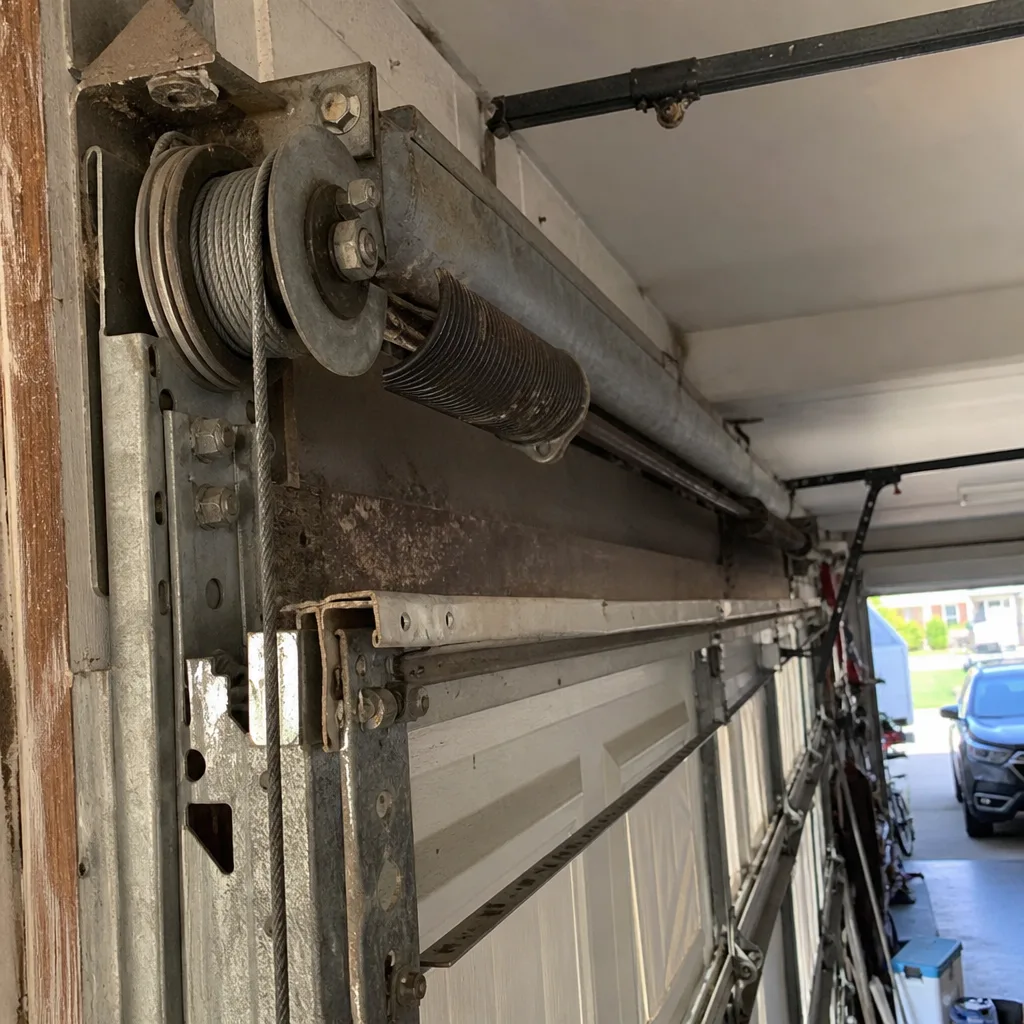 Before
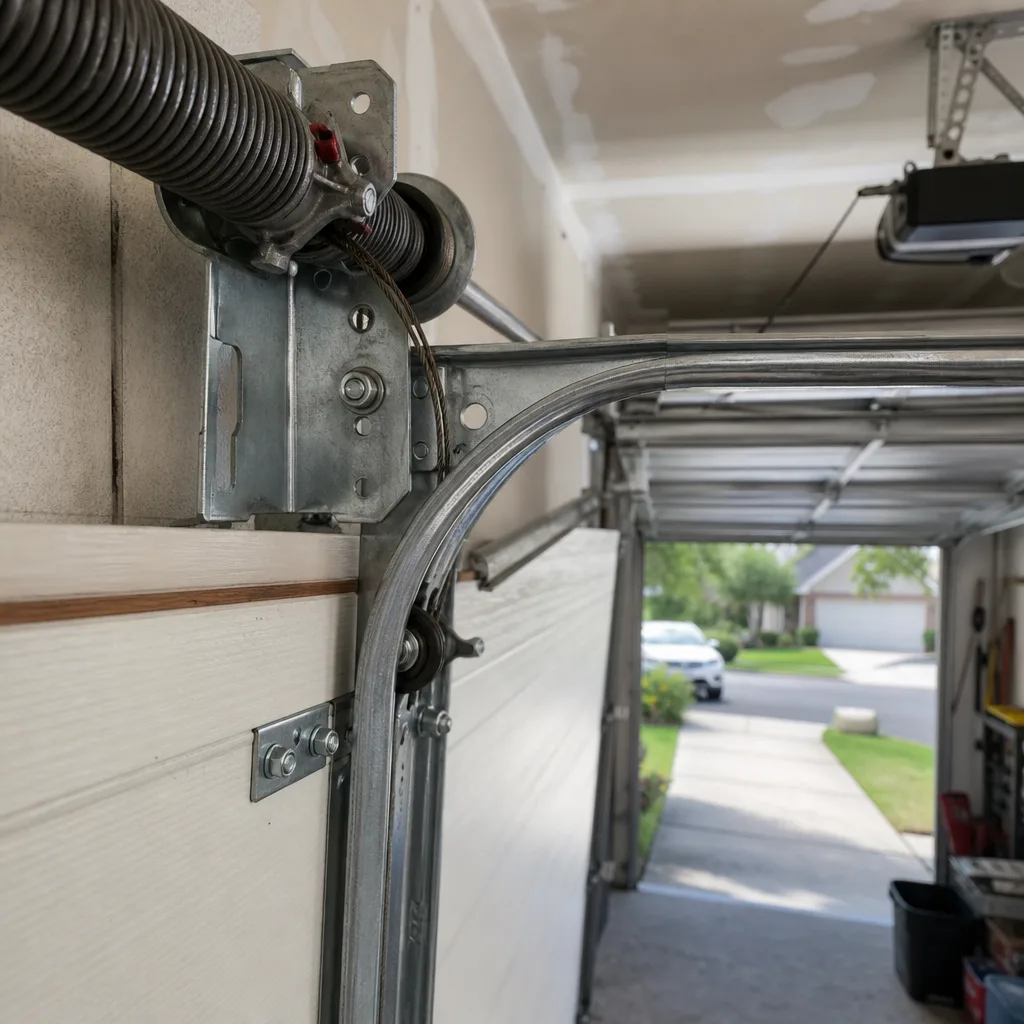 After
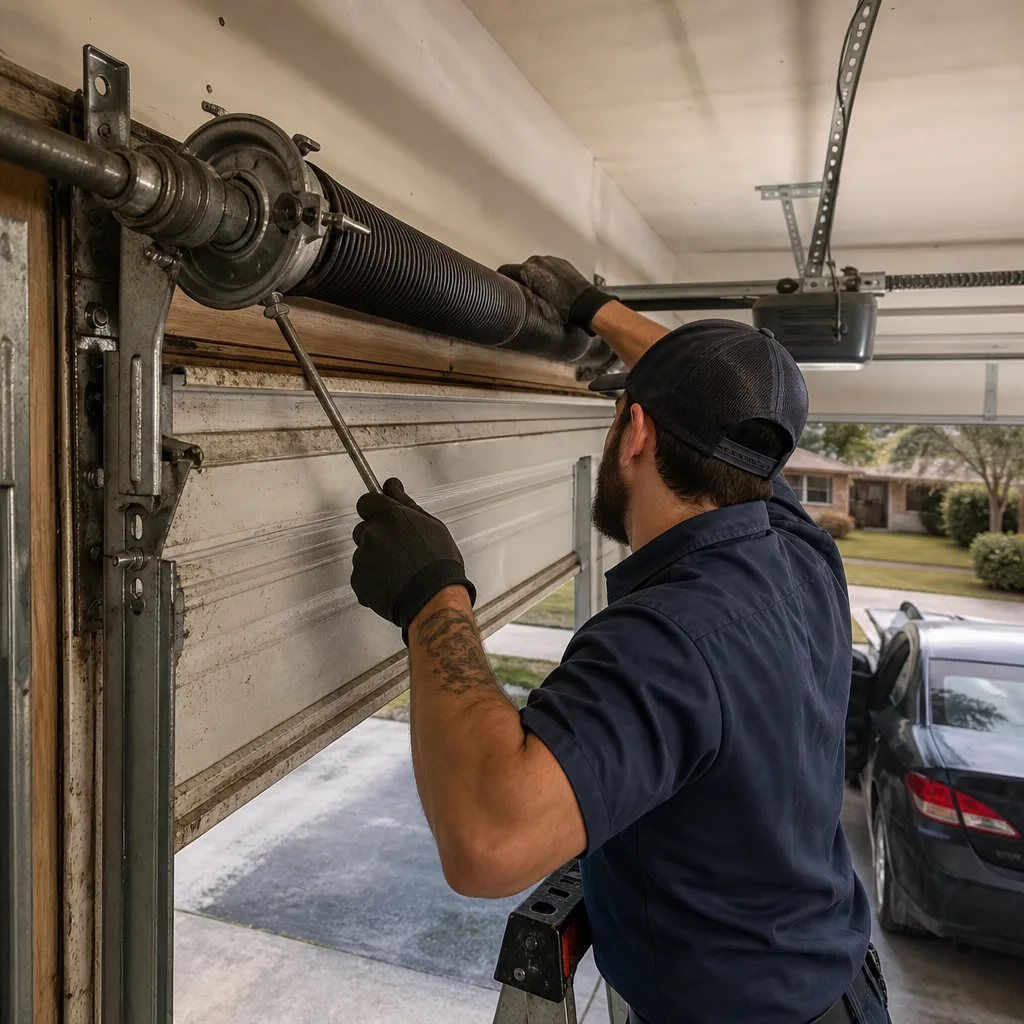 Before
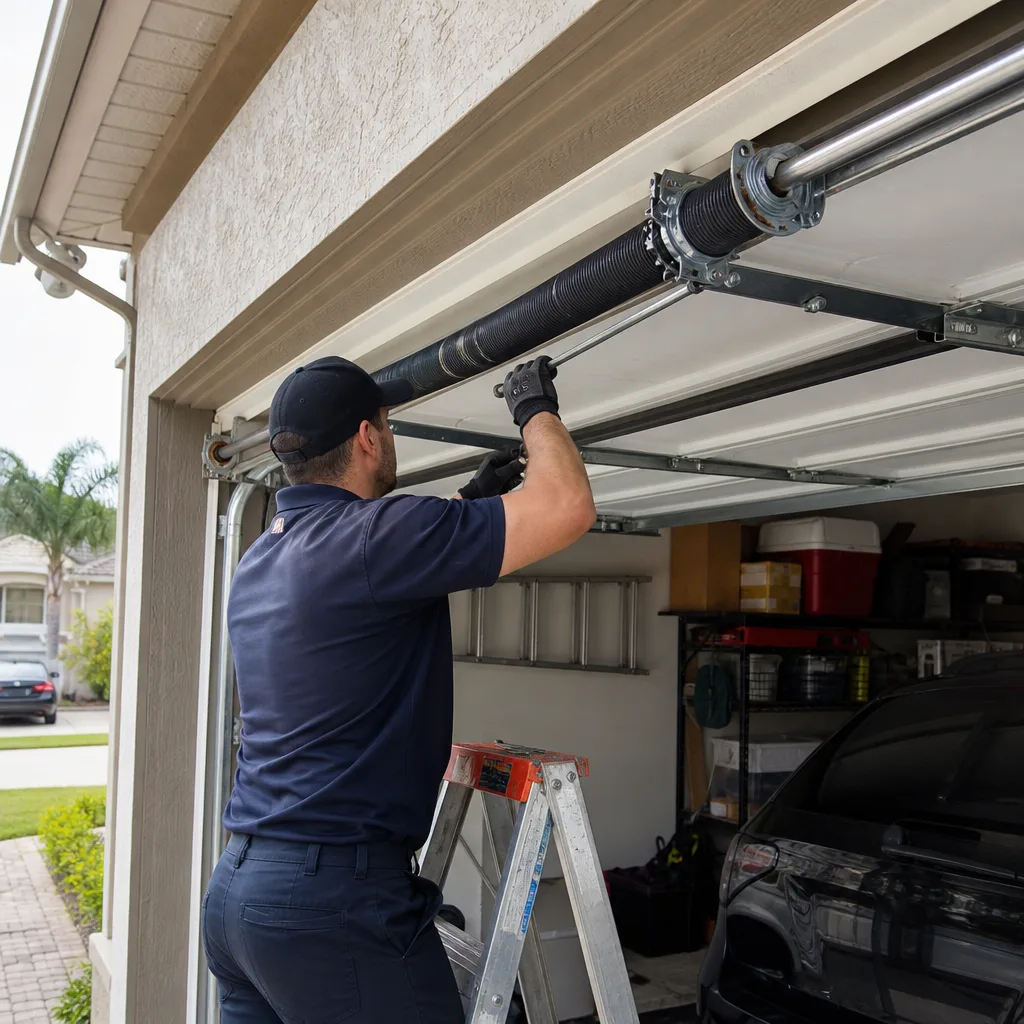 After
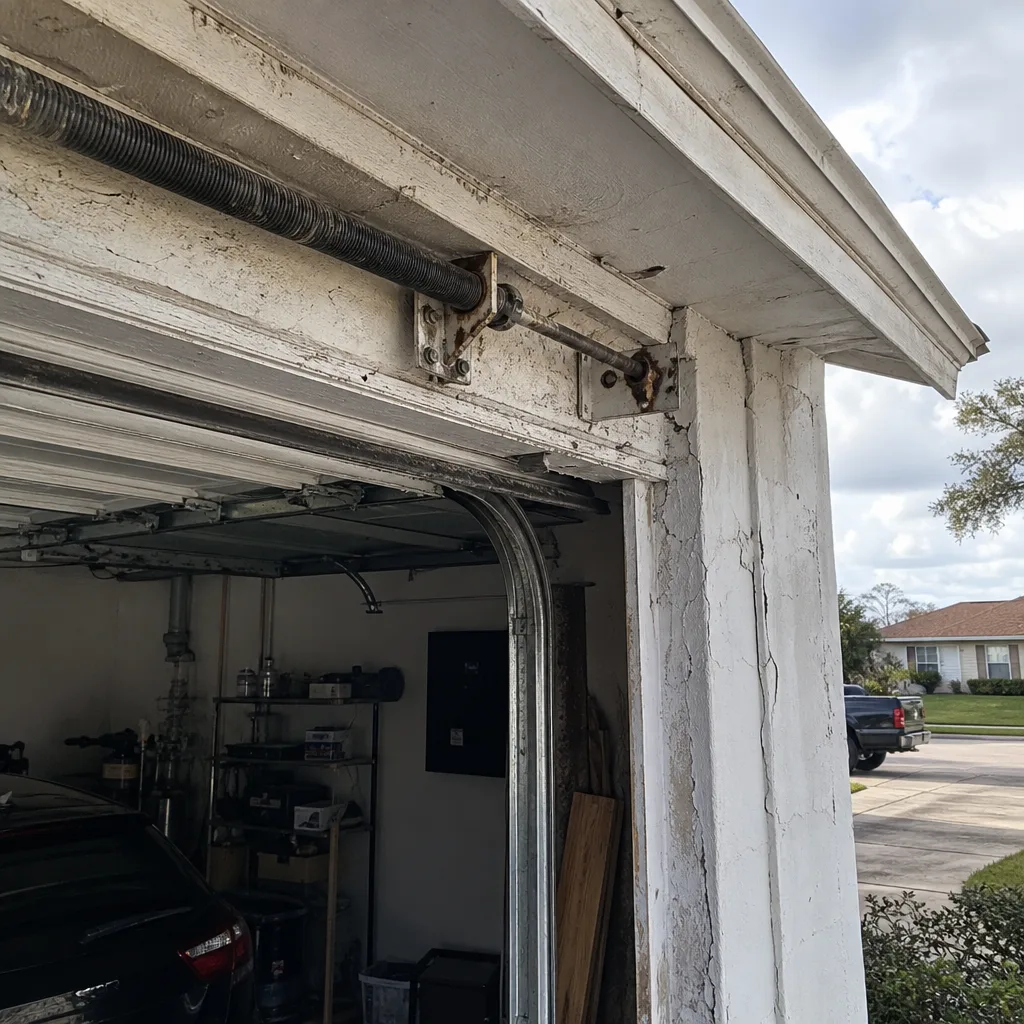 Before
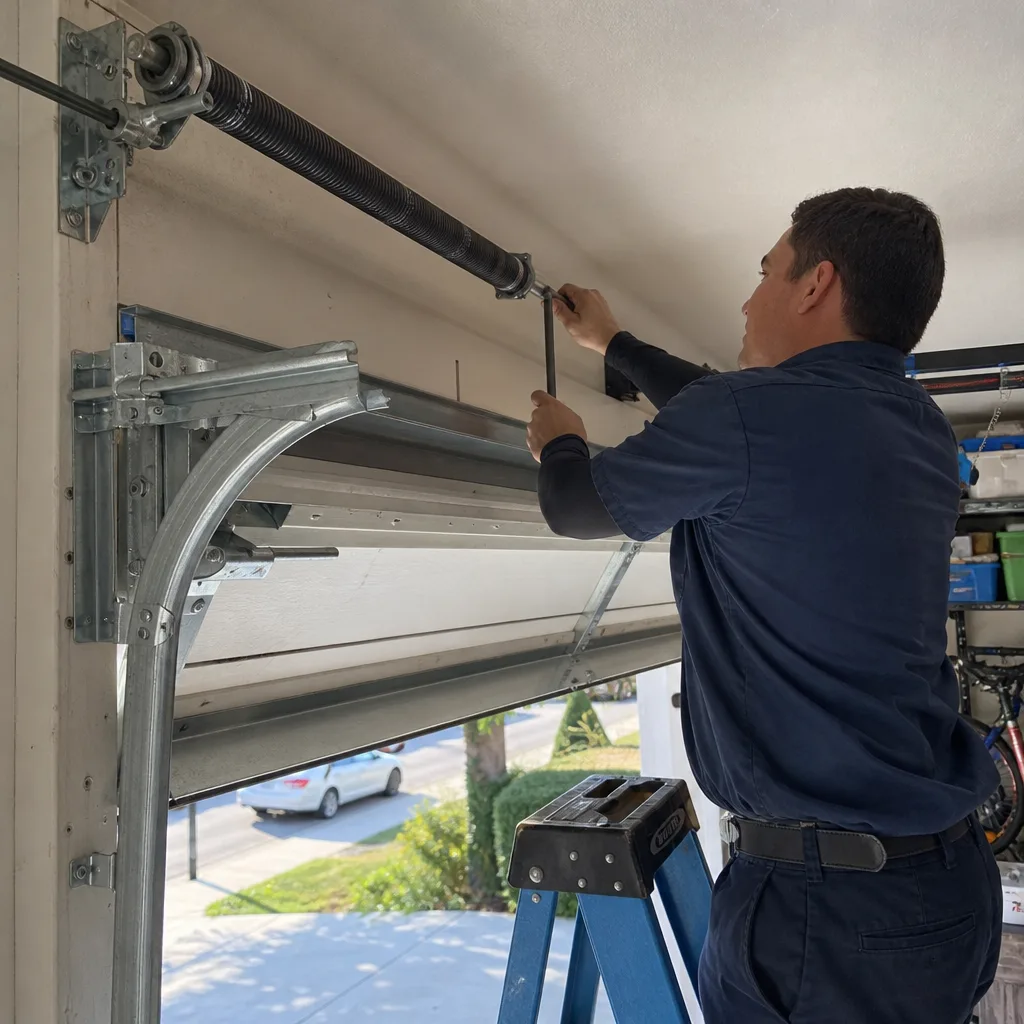 After