
Last updated October 30, 2026
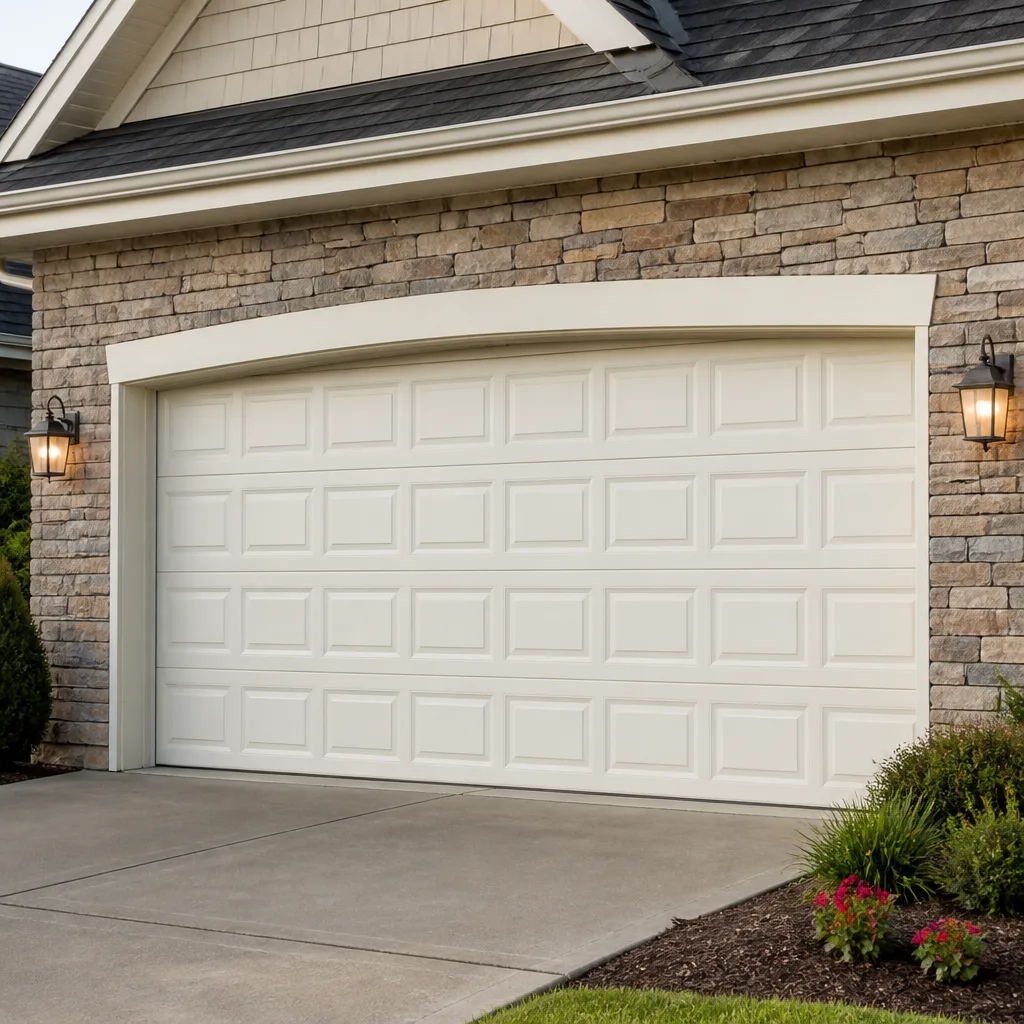 Raised-panel steel
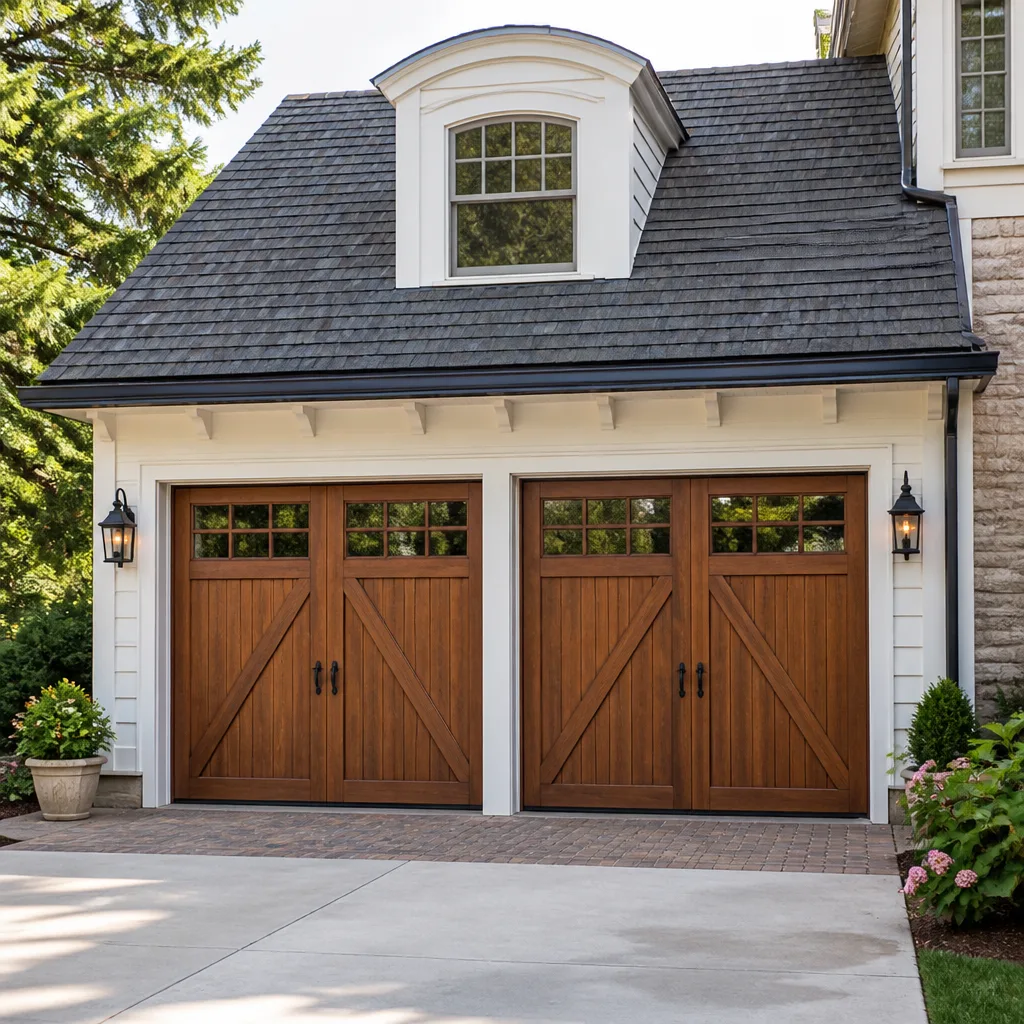 Carriage house
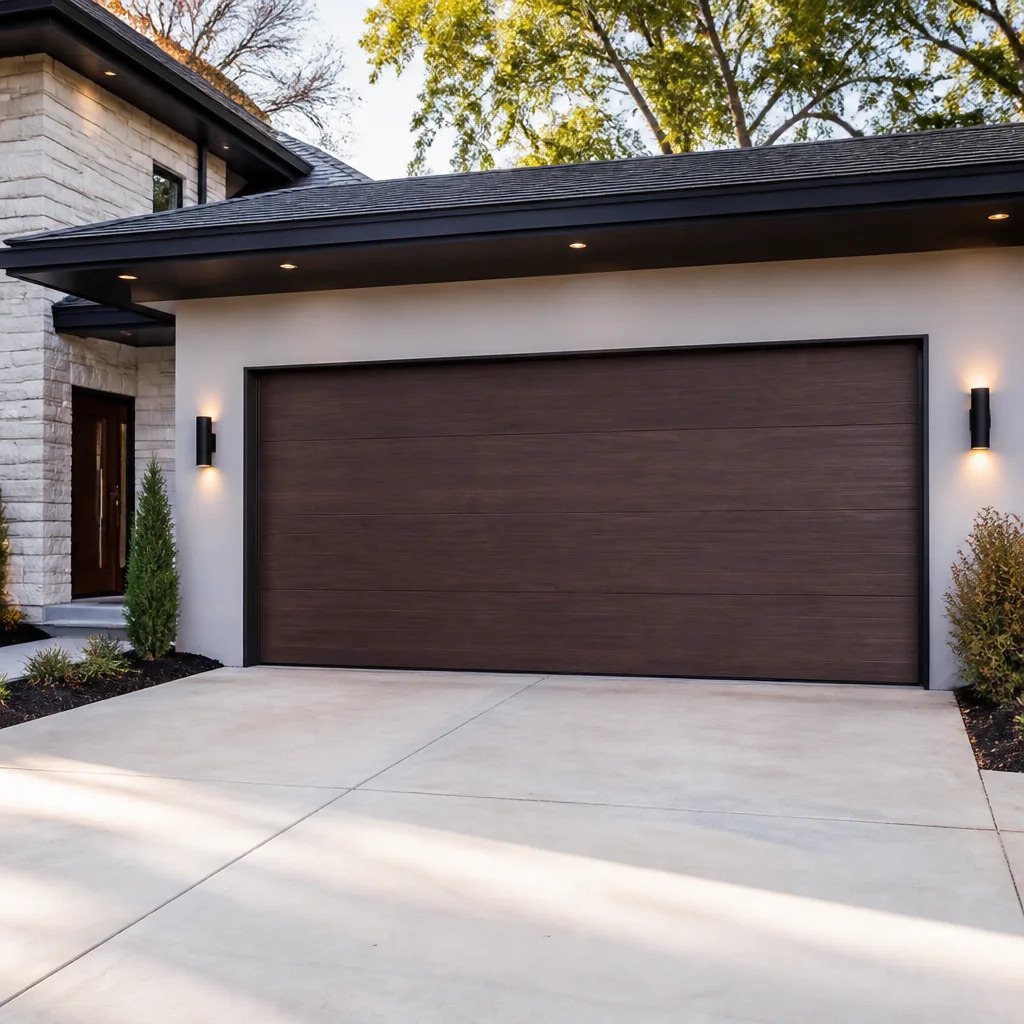 Modern flush
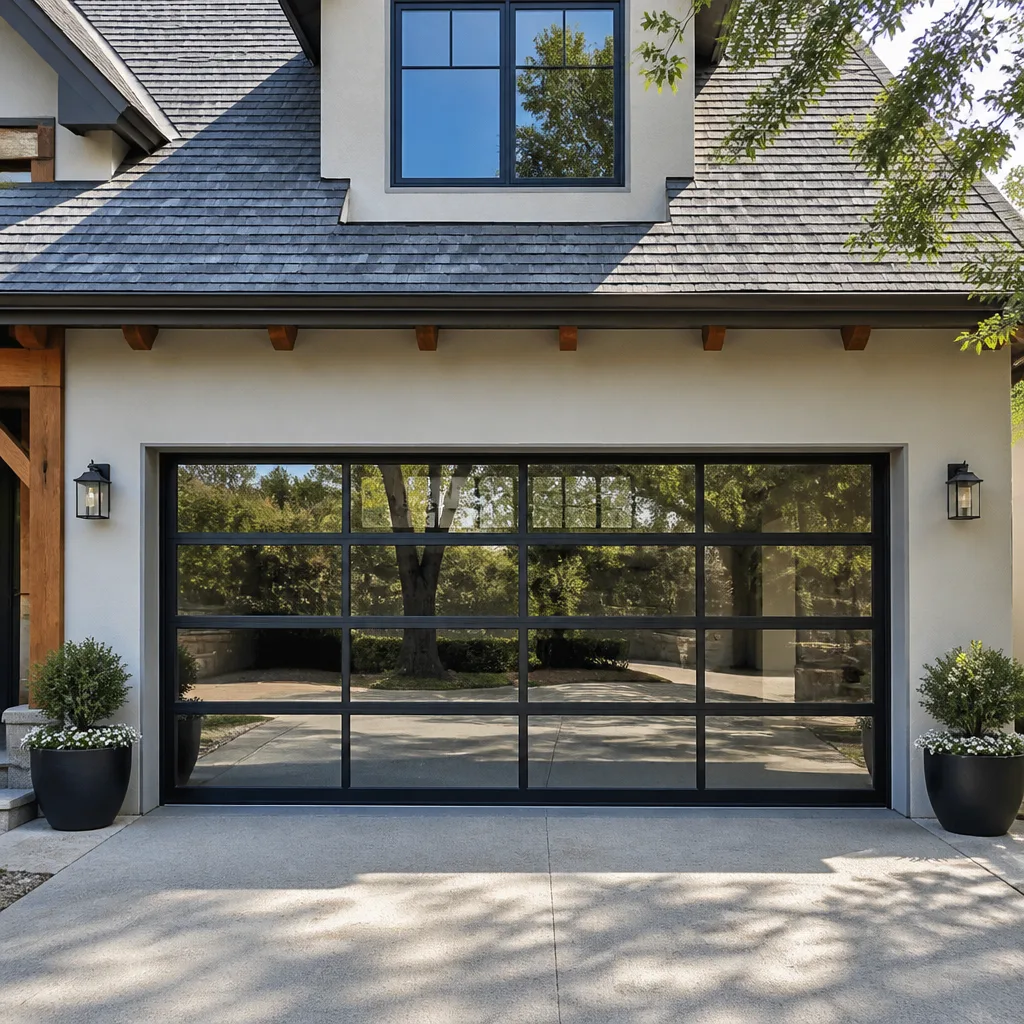 Full-view glass
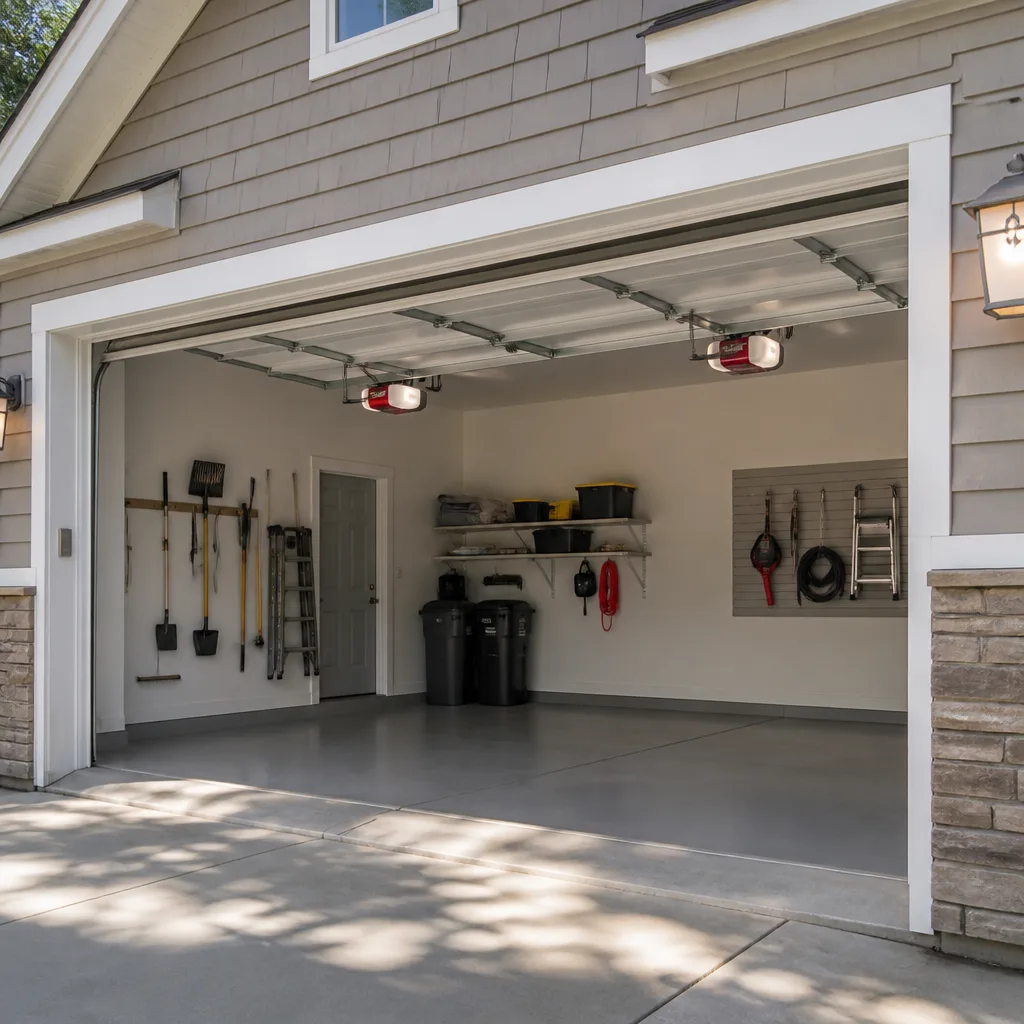 LiftMaster openers
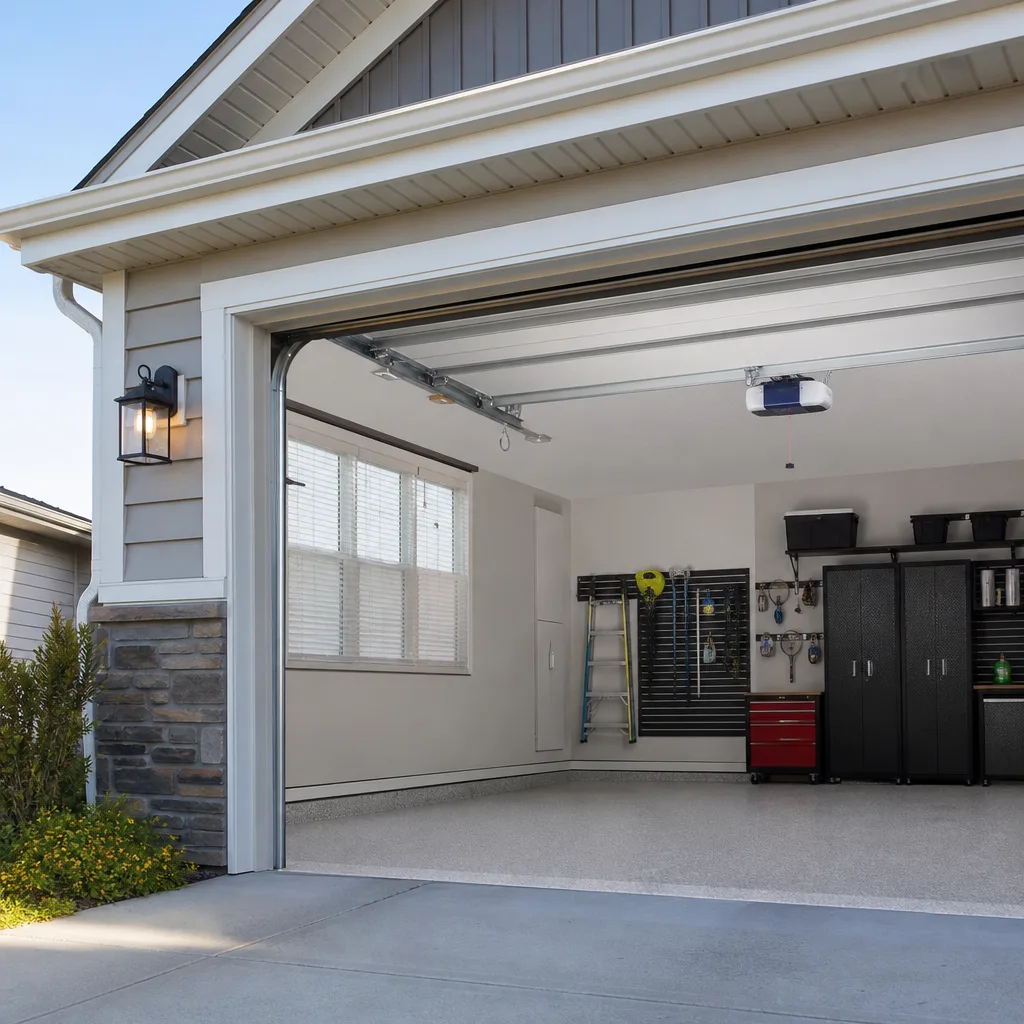 Chamberlain openers
Full 25-point door and opener safety check with every visit - springs, cables, rollers, tracks, and your LiftMaster or Chamberlain opener included
You get a price before we start. It does not change when the truck arrives.
Get your free estimateGarage Door Warning Signs: A Orlando Homeowner’s Reference Guide
A garage door that takes an extra two seconds to close isn’t just being slow. It’s signaling that a torsion spring has lost meaningful tension and the opener motor is now absorbing load it was never designed to carry. In Orlando, where humidity accelerates metal fatigue and afternoon thunderstorms hammer door panels with wind-driven rain, these warnings tend to surface earlier than homeowners expect. This guide assigns every common symptom a severity level, explains the mechanical failure behind it, and tells you whether to watch it, schedule service, or stop using the door entirely. For how to hire a garage door contractor in Orlando: a step-by-step guide, see our companion resource. No generic advice. Just what fifteen years of Orlando garage door work has taught us about the signals doors give before they fail.
Quick Answer
The most serious garage door warning signs in Orlando fall into three categories: spring fatigue (slow movement, heavy lifting, loud pop followed by a door that won’t open), cable wear (fraying near the drum, door hanging unevenly), and opener distress (grinding, reversing mid-close, failing to hold position). A popping sound from the spring area means the spring has snapped and the door should not be operated until a professional replaces it. Visual checks for rust at cable anchor points and panel stress cracks catch failures weeks before they become emergencies.
Styles & brands we work with
Table of Contents
- The Symptom-to-Cause Index: What Each Noise Actually Means
- Visual Warning Signs Orlando Homeowners Miss
- Watch It vs. Stop Using the Door: A Severity Guide
- Opener Behavior Warnings: Sensor, Motor, or Logic Board?
- The 30-Second Balance Test for Spring Wear
- How Orlando Climate Accelerates Door Wear
- Common Mistakes to Avoid
- When to Call a Professional
- Frequently Asked Questions
The Symptom-to-Cause Index: What Each Noise Actually Means
Garage doors are noisy machines by nature, but specific sounds map to specific components. Learning the difference turns a vague “it sounds weird” into a diagnostic tool. Here’s what we listen for when an Orlando homeowner calls about a strange noise.
Grinding or gravel-in-the-gears sound. This almost always points to the opener’s drive mechanism. On chain-drive openers, a dry or stretched chain produces a metallic rasp that worsens as the door moves. On belt-drive units, grinding usually means the belt is slipping on a worn sprocket. On screw-drive openers, it’s the screw thread and carriage wearing against each other, often because the grease has broken down in Orlando’s heat. Left unaddressed, grinding becomes outright failure, and replacing a drive gear costs far less than replacing the whole opener head.
Squealing or high-pitched screech. Metal-on-metal friction with no lubrication. The usual suspects are the rollers, hinges, or the bearing plates at either end of the torsion spring tube. In our experience, Orlando garages with poor ventilation develop this faster because humidity combines with dust to create an abrasive paste on moving parts. A quick test: if the squeal happens only at certain points in the door’s travel, it’s likely a specific roller. If it’s constant, it’s probably the spring bearing plates or the opener chain.
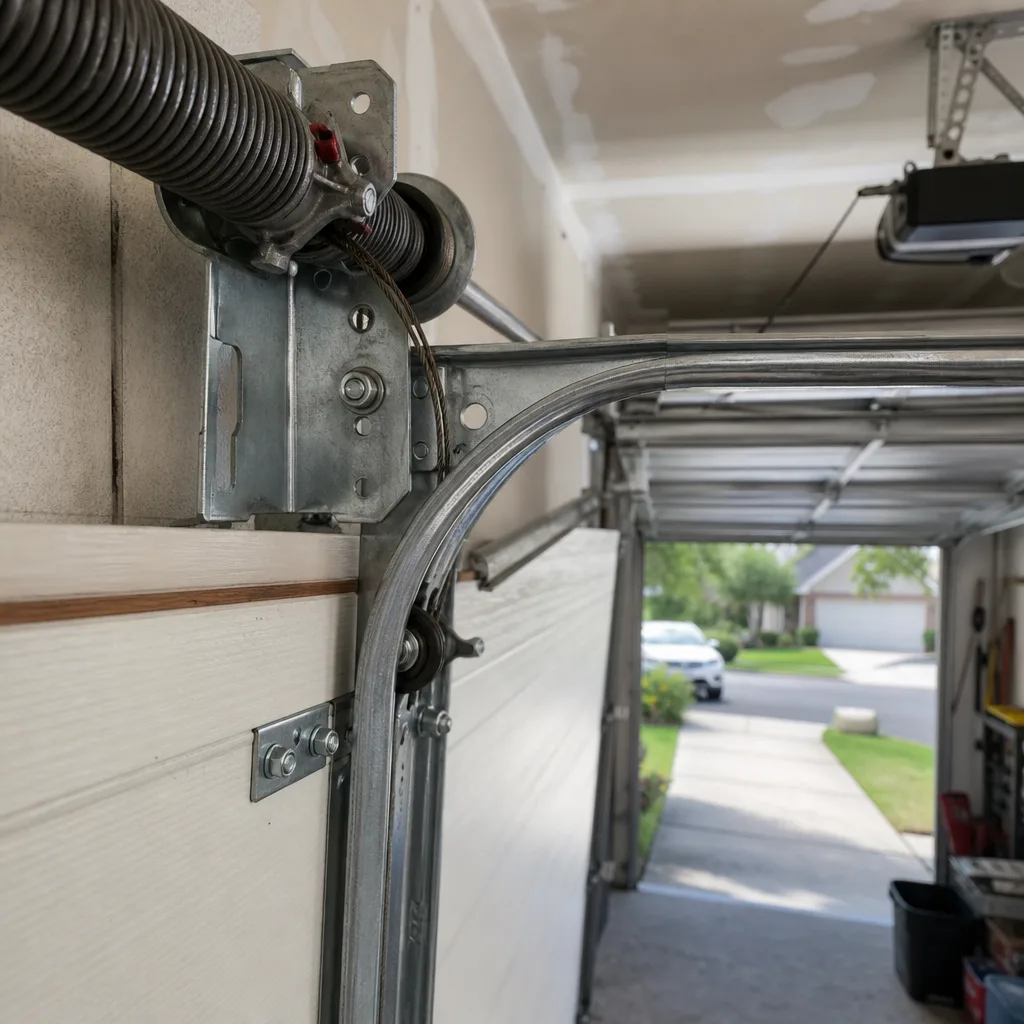
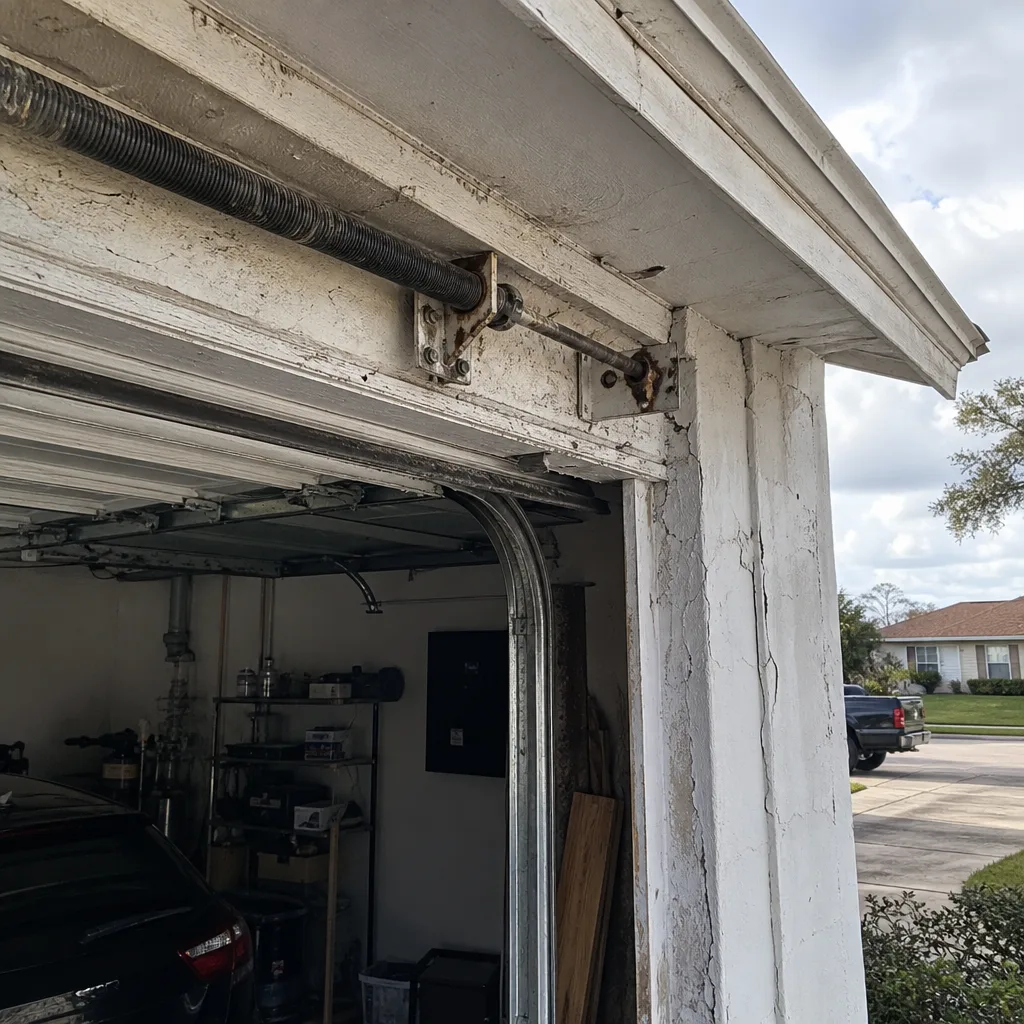
Popping or snapping. This is the sound no one wants to hear. A single loud pop followed by a door that won’t move, or moves erratically, means a torsion spring has broken. The springs on most Orlando residential doors are rated for 10,000 cycles, roughly seven to ten years of normal use, and they almost never break quietly. If you hear this sound, the door is under residual tension on one side and attempting to lift it can bend the track or send the door off its rails. This is a stop-using-the-door-now signal. Call a professional.
Banging or rattling when opening. Loose hardware, usually. The bolts holding hinges to panels, brackets to the wall, or track to the ceiling have worked loose over thousands of cycles. Orlando’s clay-heavy soil causes more foundation settling than coastal sand, which means track alignment drifts more often here than in other parts of Florida. A rattling door is rarely dangerous on its own, but the vibration accelerates wear on every other component. Tightening bolts is a maintenance task. Ignoring the rattle for a year creates a cascade of secondary failures.
Thumping or knocking at the top of travel. The door is hitting the stop bolts too hard, which usually means the opener’s open-force limit needs adjustment, or the spring has lost tension and the opener is working harder, picking up speed in the wrong part of the travel. A door that visibly jerks at the top of its arc is putting stress on the panels and the opener rail.
Visual Warning Signs Orlando Homeowners Miss
Noise gets attention. Visual signs get ignored, mostly because they develop gradually. Here are the ones we see most often on service calls across Orlando, from Conway to Dr. Phillips, that homeowners had been looking at for months without registering.
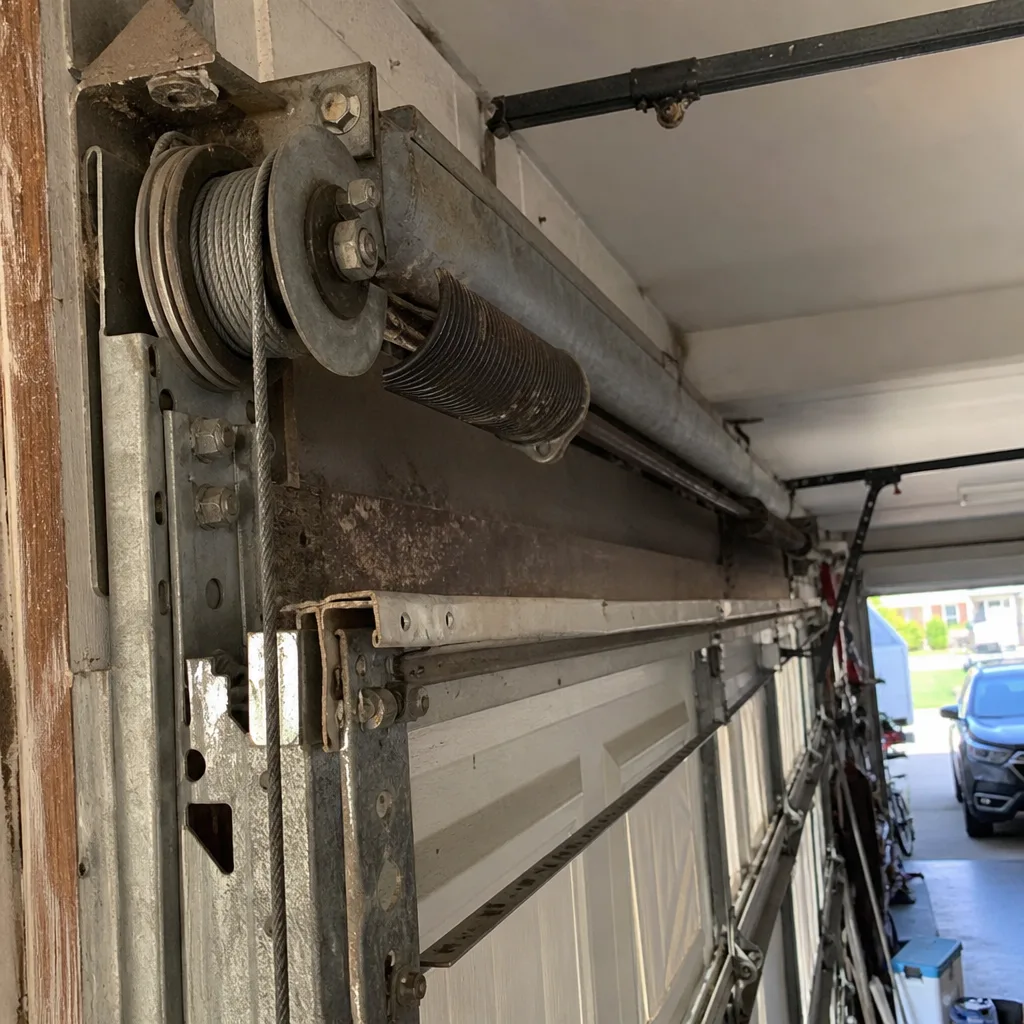
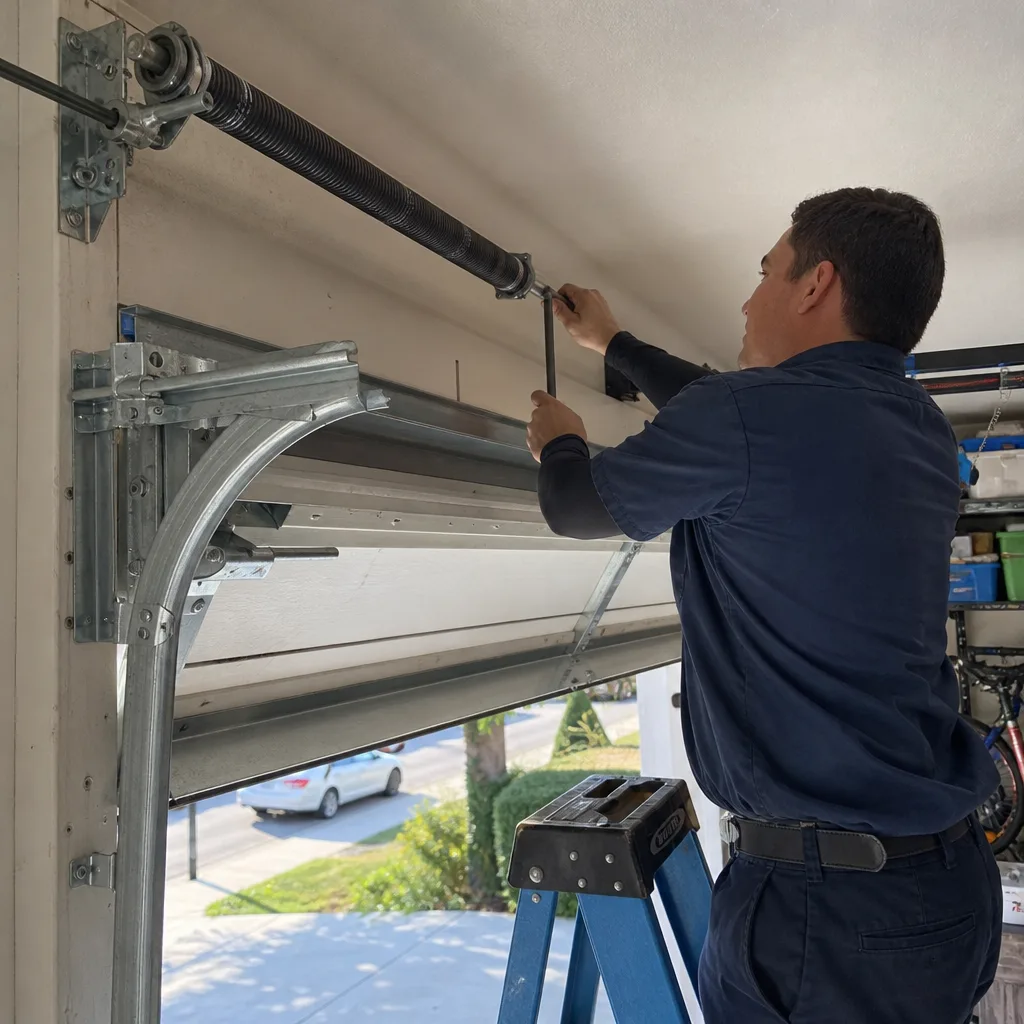
Rust patterns at cable drum points. The cables that lift your door wrap around grooved drums at each end of the torsion tube. In humid Orlando air, moisture collects in those grooves and attacks the cable. What starts as a brown stain on the drum becomes frayed cable strands, then a snapped cable and a door that slams down on one side. Check the drums twice a year. If you see rust staining or individual wire strands separating, schedule service before the cable lets go.
Bottom seal separation. The rubber weatherstrip along the bottom of the door keeps water, insects, and debris out. Orlando’s intense summer sun dries and cracks that rubber faster than you’d expect, and once it separates from the aluminum retainer, you’ll see daylight under the door. Beyond the obvious water intrusion during Florida’s afternoon downpours, a failed seal invites palmetto bugs, rodents, and that fine yellow pollen into your garage. It also signals that the bottom panel may have absorbed moisture, which accelerates rust inside the panel itself.
Panel corner stress cracks. Steel garage doors flex slightly with every cycle, and stress concentrates at the corners where the top panel meets the strut. On doors manufactured by Clopay, Amarr, and Wayne Dalton, hairline cracks at these corners indicate the door is working harder than it should, usually because of spring fatigue or track misalignment. A crack that’s purely cosmetic today can propagate into a split panel within a season, especially with Orlando’s temperature swings between conditioned garage air and outside heat.
Uneven gaps between panels when closed. Step back and look at the horizontal seams. If the gaps are wider on one side than the other, the door is no longer sitting square on its tracks. That’s a cable tension issue, a bent track, or a shifting door frame. Catching this early often means a simple adjustment. Missing it means a door that eventually jams halfway open.
Loose or angled hinges. Hinges should sit flat against the panel surface. If one is angled out or the screws have backed partially out, the door is flexing under load. That’s a structural warning, not a cosmetic one, and it’s cheap to fix when caught early.
Watch It vs. Stop Using the Door: A Severity Guide
Not every warning sign means you should park the car outside and avoid the opener button. Some symptoms call for observation and a service appointment. Others mean the door is genuinely unsafe to operate. Here’s how we separate them.
Stop using the door immediately if:
- You heard a loud pop and the door won’t move. A broken torsion spring means the door’s weight is no longer counterbalanced. The opener cannot safely lift it, and manually lifting it risks the door crashing down.
- The door is visibly uneven when opening or closing. A door tilted more than an inch or two off level usually means a snapped or slipping cable. Continuing to operate it can pull the door off its tracks entirely.
- The door reverses direction mid-close and won’t stay down. This can mean a failed safety sensor, a bad logic board, or a spring that’s lost so much tension the opener thinks it hit an obstruction. Either way, the door is no longer under control.
- You can see frayed cable strands. Once individual wires are visible, the cable is near failure. A single broken strand cuts the cable’s rated strength significantly.
Watch and schedule service within a few weeks if:
- The door moves slowly or hesitates. Spring fatigue is progressing. It will get worse, but you have a window to address it before catastrophic failure.
- You hear grinding or squealing that’s new. Lubrication or minor component replacement will usually fix it. Ignoring it for months invites opener motor damage or roller failure.
- You see rust staining on hardware. Surface rust on hinges and brackets is normal in Orlando. It becomes a problem when it reaches the cables, springs, or bearing plates.
- The door sags slightly in the middle when open. This indicates weakening panel struts or an under-tensioned spring. It’s not an emergency, but it is a clear signal that the balance system is falling out of spec.
The distinction matters. A door with a broken spring is dangerous to operate, period. A door with a tired spring is annoying and accelerating toward failure. Both need professional attention, but only one requires you to stop using the door today.
Opener Behavior Warnings: Sensor, Motor, or Logic Board?
Opener failures in Orlando follow predictable patterns, and understanding which subsystem is acting up saves you from paying for a whole new opener when a $25 part would fix it. Here’s how we isolate the problem.
Door starts to close, then reverses immediately. Nine times out of ten, this is the photo-eye safety sensors. They’re either misaligned (bumped by a car bumper or a garbage can), dirty (Orlando’s pollen and dust coat the lenses), or the wiring to the sensor has a short. Check alignment and clean the lenses first. If the problem persists, the sensor itself may be failing. In our experience, fewer than one in ten “reversing door” calls turns out to be something other than sensors.
Door closes halfway, then reverses. This is different from immediate reversal. A door that travels partway down and comes back up usually means the close-force setting is too sensitive, or the door is binding on the track and the opener’s internal resistance monitor thinks it hit something. If lubricating the track doesn’t change the behavior, the opener’s force adjustment may need recalibration, or the logic board has drifted out of spec.
Opener hums but nothing moves. The motor is running but the drive mechanism isn’t engaging. On chain and belt drives, this is usually a stripped drive gear inside the opener head, a common failure on Chamberlain and Craftsman openers after years of Orlando heat cycles. The gear is cheap. The labor is moderate. Replacing the gear often gives you several more years from the opener.
Door opens but sags or drops a few inches when it stops. This is rarely the opener at all. The open-force limit may be set correctly, but the door is settling because the spring has lost tension and gravity is winning. If you watch the door and it visibly drops after the opener stops, the spring is the problem, not the motor. Since we train our technicians on LiftMaster, Genie, Chamberlain, and five other major opener brands, we can identify whether the fault is in the drive system, the logic board, or the door’s balance system in one trip, without guessing.
Wall button works, remote doesn’t. Logic board or receiver issue. The remote’s rolling code may need to be re-synced, or the antenna wire on the opener head may be damaged. If remotes and keypads all fail at once, it’s the receiver. If only one remote fails, it’s the remote. We see plenty of Orlando homeowners replace a perfectly good opener because a remote battery died and they assumed the worst.
Opener runs but door moves in jerks. The door is binding somewhere along its travel, and the opener is fighting inconsistent resistance. Usually a track misalignment, a failed roller, or debris in the track. Running the opener in this condition burns out the motor far faster than normal operation.
The 30-Second Balance Test for Spring Wear
This is the single most useful diagnostic you can do at home, and it requires no tools. A properly balanced door will stay put when you lift it halfway by hand. A door with a fatigued spring will drop or rise on its own, and the direction it moves tells you a lot about the problem.
How to run the test:
- Close the door. Make sure the area is clear. Release the opener by pulling the red emergency release handle.
- Manually lift the door to about waist height. Use the handles or the bottom edge. This should feel moderately heavy but smooth.
- Let go and watch. A properly balanced door stays roughly where you left it, maybe moving an inch or two up or down. That’s normal.
- If the door drops below waist height: The spring has lost tension and is no longer counterbalancing the door’s full weight. The opener is now doing extra work on every cycle, and the spring may fail completely within months.
- If the door rises on its own: The spring is over-tensioned, which means someone added too much wind at install or the spring was sized incorrectly. Over-tensioned springs wear out faster and make the door hard to close manually.
Do this test twice a year. In Orlando, we recommend doing it at the start of summer and the start of winter, since seasonal humidity shifts affect lubrication behavior and make spring fatigue easier to detect. Our seasonal garage door care for Orlando: year-round homeowner’s guide walks through a complete maintenance calendar. If the door drops more than six inches, stop using the opener and call for a spring replacement. Continuing to operate a door with a severely fatigued spring will burn out the opener motor, doubling your repair cost.
How Orlando Climate Accelerates Door Wear
Orlando’s climate isn’t just uncomfortable. It’s actively working against your garage door in ways that don’t apply to other regions, and a surprising number of national garage door guides miss this entirely.
Humidity and metal fatigue. Orlando averages 70 percent relative humidity year-round, spiking higher during the June through September rainy season. That moisture attacks unprotected steel at the molecular level, and garage door components are rarely painted or sealed like car bodies. Torsion springs, cable drums, and hinge pins all rust faster here than in drier climates. We regularly see springs fail in seven years in Orlando that would last ten or more in Phoenix or Las Vegas.
Thermal expansion cycles. A garage door is a large metal object exposed to direct sun on the exterior and conditioned air inside. The temperature differential across a single panel can exceed 40 degrees on a summer afternoon. Steel expands and contracts with every degree change, and that repeated flexing is what causes hairline cracks at stress points and loosens bolts in the track and hinge assemblies. Homes in neighborhoods like College Park and Winter Park with west-facing garage doors get hit hardest.
Afternoon thunderstorm wind loads. Florida’s summer storms bring sudden, intense gusts that can hit a closed garage door with enough force to flex the panels inward. Over years of these events, panels develop micro-stress at the hinges, and the door’s squareness drifts. That’s why Orlando homeowners are more likely to need track realignment than homeowners in calmer regions.
Lightning strikes and power surges. Central Florida is one of the most lightning-dense regions in the country. Board failures on garage door openers are disproportionately common here because a nearby strike sends a surge through the home’s electrical system, and the opener’s logic board is usually unprotected. If you have a LiftMaster or Chamberlain opener and it dies suddenly after a storm, a surge is the probable culprit. A whole-home surge protector is a cheap defense, but most Orlando homes don’t have one on the garage circuit.
Common Mistakes to Avoid
- Lubricating the tracks with WD-40. The track doesn’t need lubrication. The rollers do, and WD-40 cleans but doesn’t lubricate. Use a garage door-specific silicone or lithium spray on rollers, hinges, and spring bearing plates only.
- Ignoring a slow door because it still works. Slow operation means the spring is failing and the opener is bearing the load. By the time the spring snaps, you’ll likely have already shortened the opener motor’s life by months or years.
- Manually lifting a door after a spring snaps. A door with one broken torsion spring is dangerously unbalanced. A fully open door with no functioning springs weighs 150 to 300 pounds and can come down like a guillotine if the cable lets go.
- Replacing the opener when the spring is the problem. If the door is heavy and the opener struggles, a new opener will just burn out on the same bad spring. We’ve seen Orlando homeowners pay for two openers in three years because no one diagnosed the actual cause.
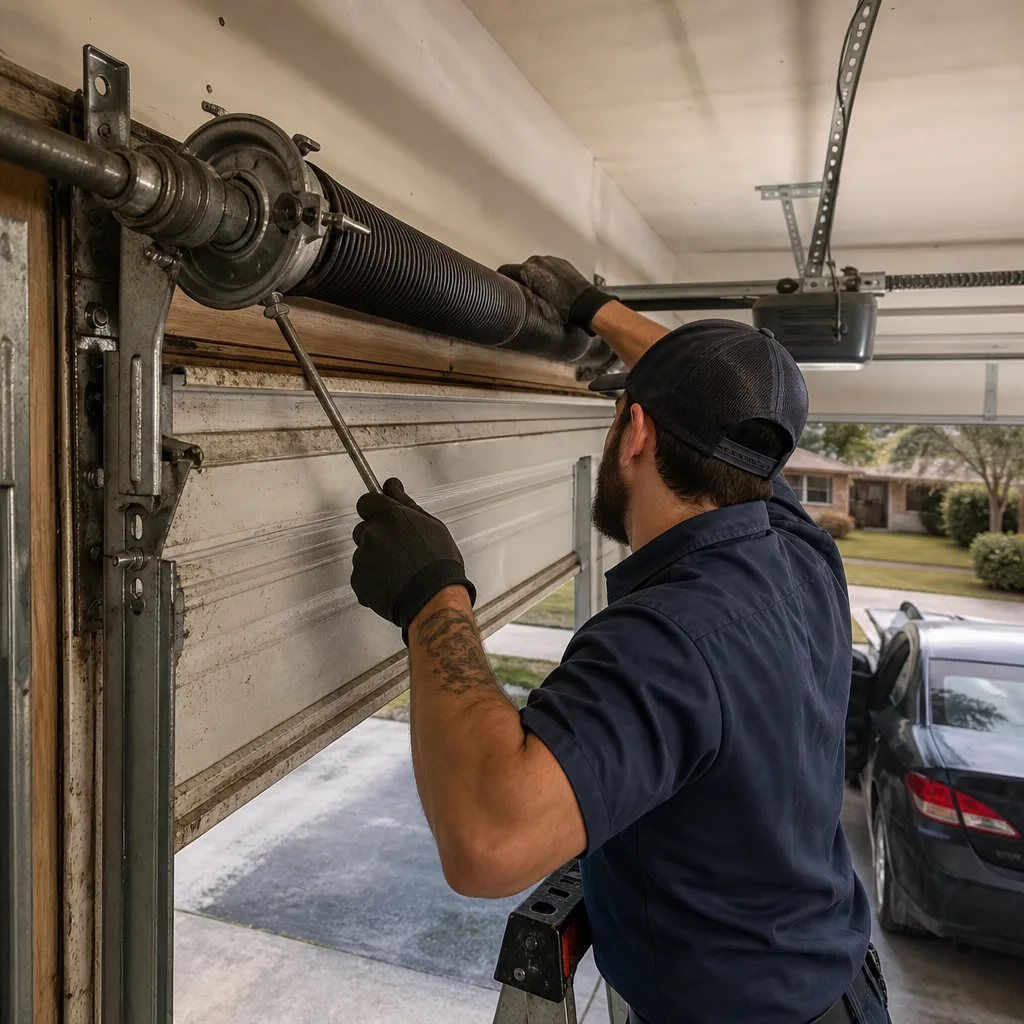
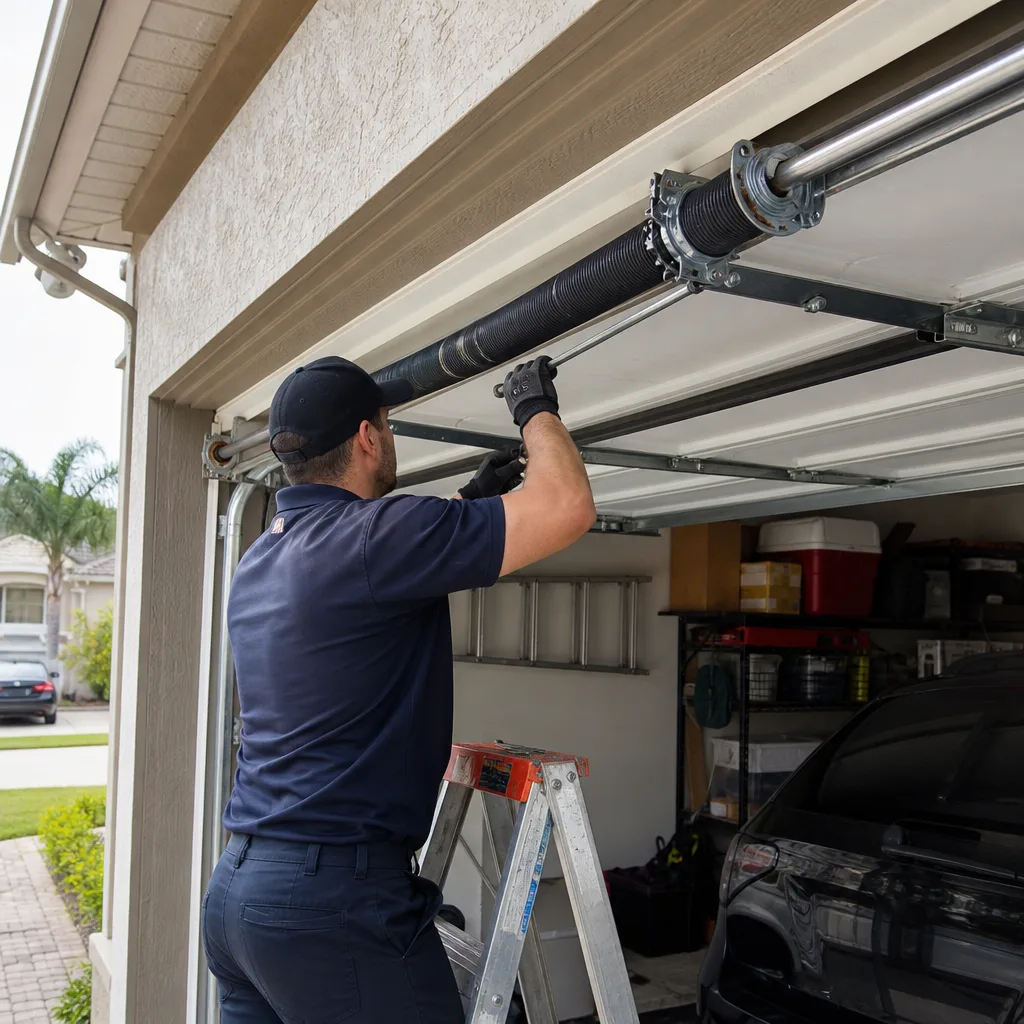
- Adjusting spring tension yourself. Torsion springs store thousands of pounds of torsional force. The winding cone and bars required to adjust them, plus the danger of a bar slipping, makes this one of the few home repairs that can genuinely kill or maim. This is not a DIY project. Call a professional. Full stop.
- Ignoring bottom seal damage because it’s “just cosmetic.” In Florida, that gap is an open invitation for water during storms, for insects, for mice, and for hot, humid air that drives up your cooling bill. It’s a cheap fix compared to the damage it prevents.
- Assuming a noisy door is normal. Some noise is inevitable, especially with chain-drive openers, but a new grinding or squealing sound is a component signaling for help. Addressing it early is almost always a small repair. Addressing it late is often a replacement.
When to Call a Professional
Some garage door issues are maintenance tasks you can handle: tightening a loose bolt, cleaning photo-eye lenses, replacing a remote battery. But the moment the problem involves springs, cables, or the opener’s internal drive mechanism, the risk calculation changes. Springs under tension can cause serious injury. Cables under load can whip free. An opener with a shorted logic board can drop the door unexpectedly. If you’ve heard a pop, seen exposed cable strands, or your door failed the balance test, stop using it and call someone who works on these systems every day. Lighthouse Garage Door Service offers free estimates in Orlando. Call (833) 613-0599 and we’ll tell you what’s wrong, what it’ll cost, and what can wait. No obligation, no upsell, just a clear answer from a technician who knows the exact hardware on your door.
Frequently Asked Questions
In Orlando, expect to pay between $280 and $450 to replace a pair of torsion springs, including parts and labor. The exact price depends on spring size, door weight, and whether it’s a standard two-spring system or a heavier commercial-style door. Call (833) 613-0599 for an exact quote before any work starts.
Most spring and cable repairs in Orlando can be completed the same day, assuming the parts are on the truck, which is why we stock springs for the most common door sizes in our service area. We work on eight major brands including Clopay, Amarr, Wayne Dalton, and Craftsman, so the right hardware is usually available on the first visit. If you’re deciding between manufacturers, our choosing the right garage door brand: a buyer’s guide for Orlando breaks down the differences.
No. The quote you receive before the work begins is the price you pay. In our experience, the cause of a garage door symptom is usually clear from the customer’s description and a quick inspection, so surprises are rare. If additional work is needed, you’ll approve it before we do it, at a price agreed in advance.
For spring replacements, cable repairs, rollers, hinges, and common opener gears, yes. We keep a rolling inventory sized to the most frequently installed door models in Orlando. For less common parts or specialized hardware on premium doors, we may need a second trip, but we’ll tell you that before we schedule.
Shaking usually means the door is binding on one side, which can be caused by a misaligned track, a failed roller, or a broken spring on one side that’s throwing the door out of square. It can also happen when the opener’s drive gear is stripping and slipping under load. Since we service the door and the opener under one call, we can isolate which system is causing the vibration without bringing in a second contractor.
In Orlando’s humidity, torsion springs typically last seven to ten years, sometimes less if they were undersized or improperly lubricated. If your door gets heavy or slow before that window, the spring is likely fatigued even if it hasn’t snapped yet. The balance test described above is the most reliable way to check.
The Bottom Line
Garage door failures rarely come out of nowhere. They announce themselves with slower operation, unusual noises, visible rust, and quirky opener behavior. The homeowners who catch these warnings early spend a few hundred dollars on springs or cables. The ones who don’t often replace openers, panels, and tracks, and occasionally hurt themselves in the process. In Orlando, the climate makes detection more urgent, but the 30-second balance test and the noise-to-component index above give you the diagnostic framework to know what you’re hearing and seeing. When a warning sign crosses into stop-using-the-door territory, call us. Our team works on the brand you already have, whether it’s an Amarr door with a broken spring or a Craftsman opener with a stripped gear, and we’ll give you a clear answer, not an upsell.
For more on specific repair scenarios, see our Garage Door Repair in Orlando page. If your opener is acting up, our Garage Door Opener Repair in Orlando guide covers the most common failures. And if the cost of repairs is pushing you toward replacement, read through our Garage Door Installation in Orlando overview before you decide. You can always reach us through the Lighthouse Garage Door Service home page or by calling (833) 613-0599 for a free estimate.
Written by the team at Lighthouse Garage Door Service, serving Orlando since 2014.
See the difference
 Before
 After
 Before
 After
 Before
 After