
Last updated October 30, 2026
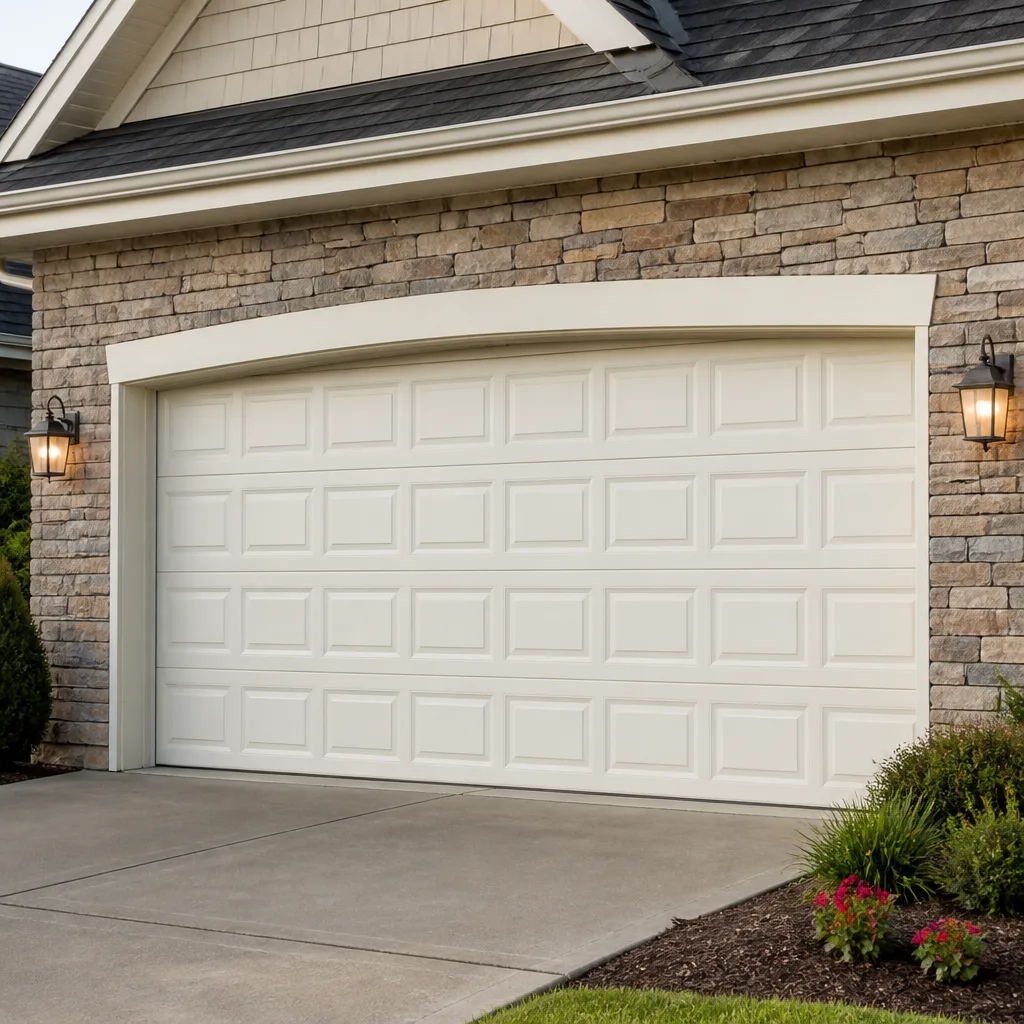 Raised-panel steel
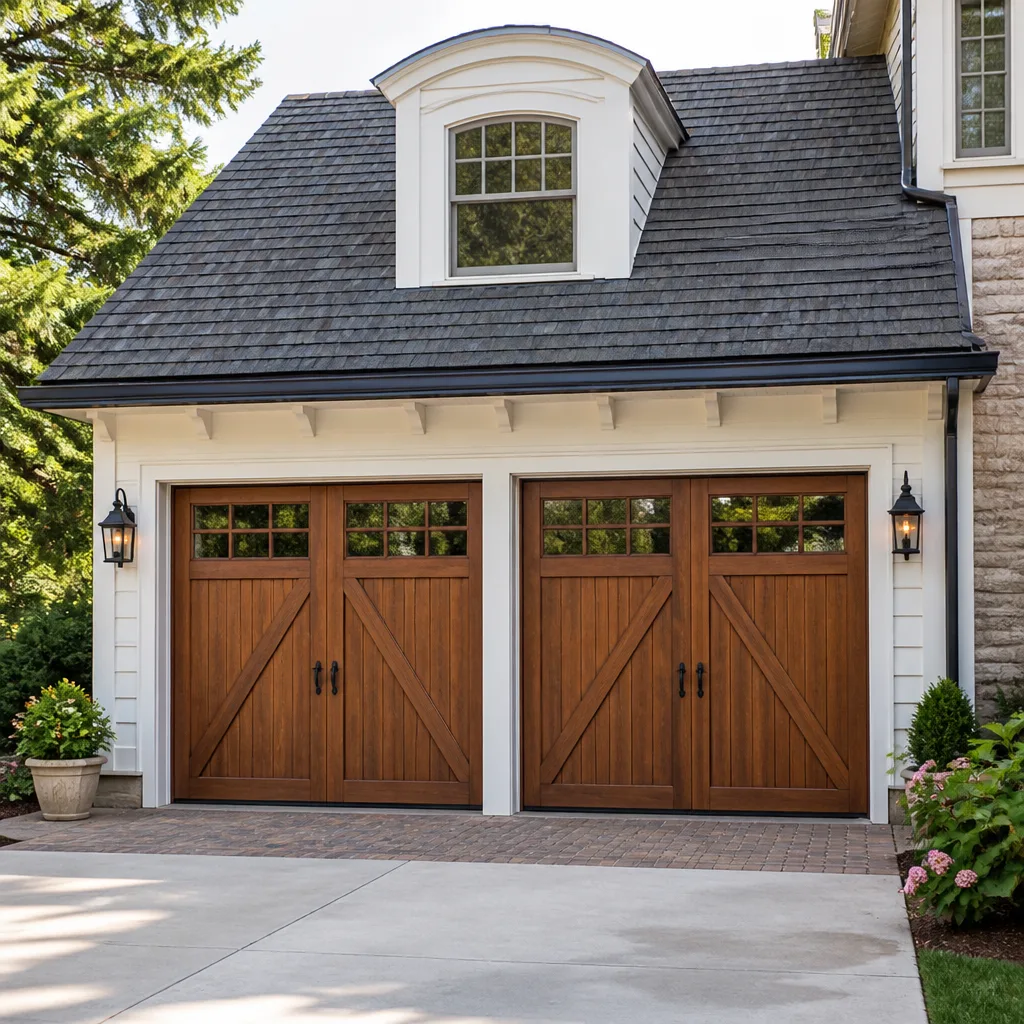 Carriage house
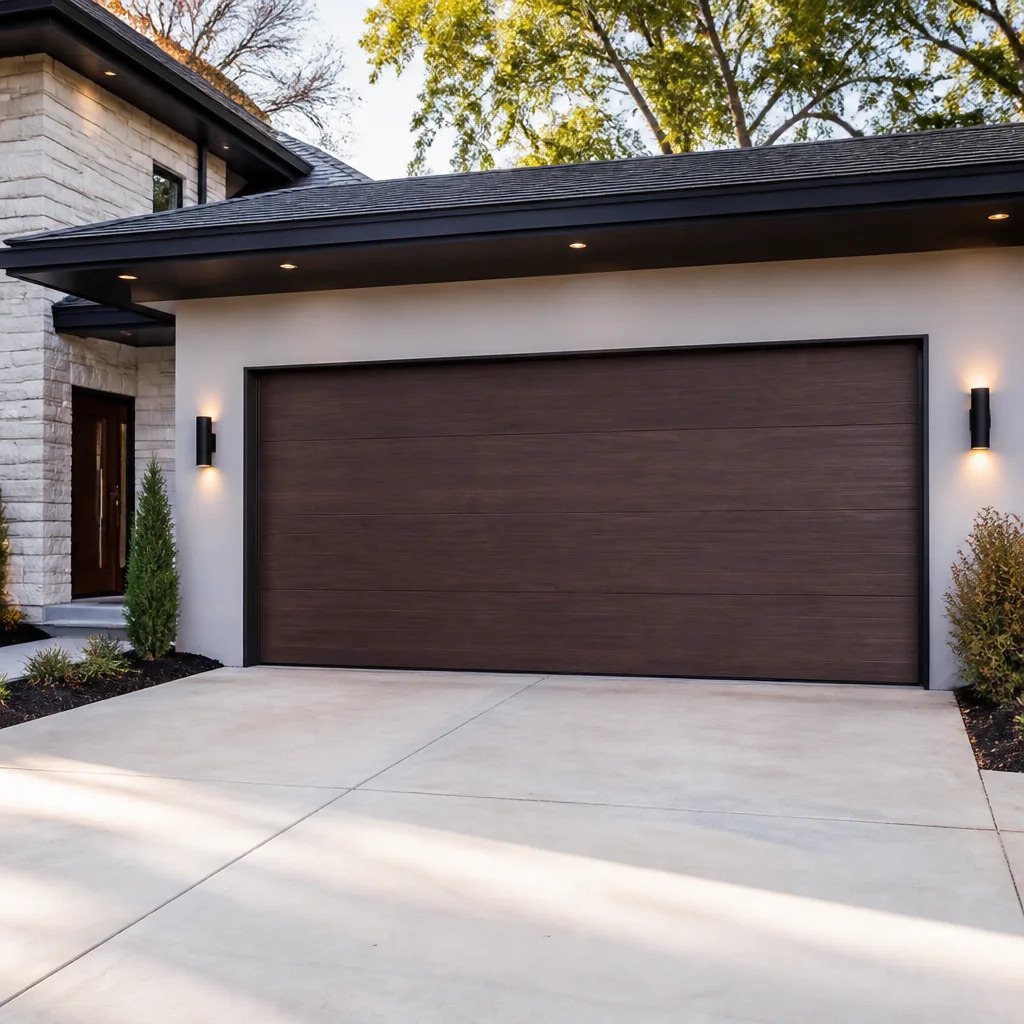 Modern flush
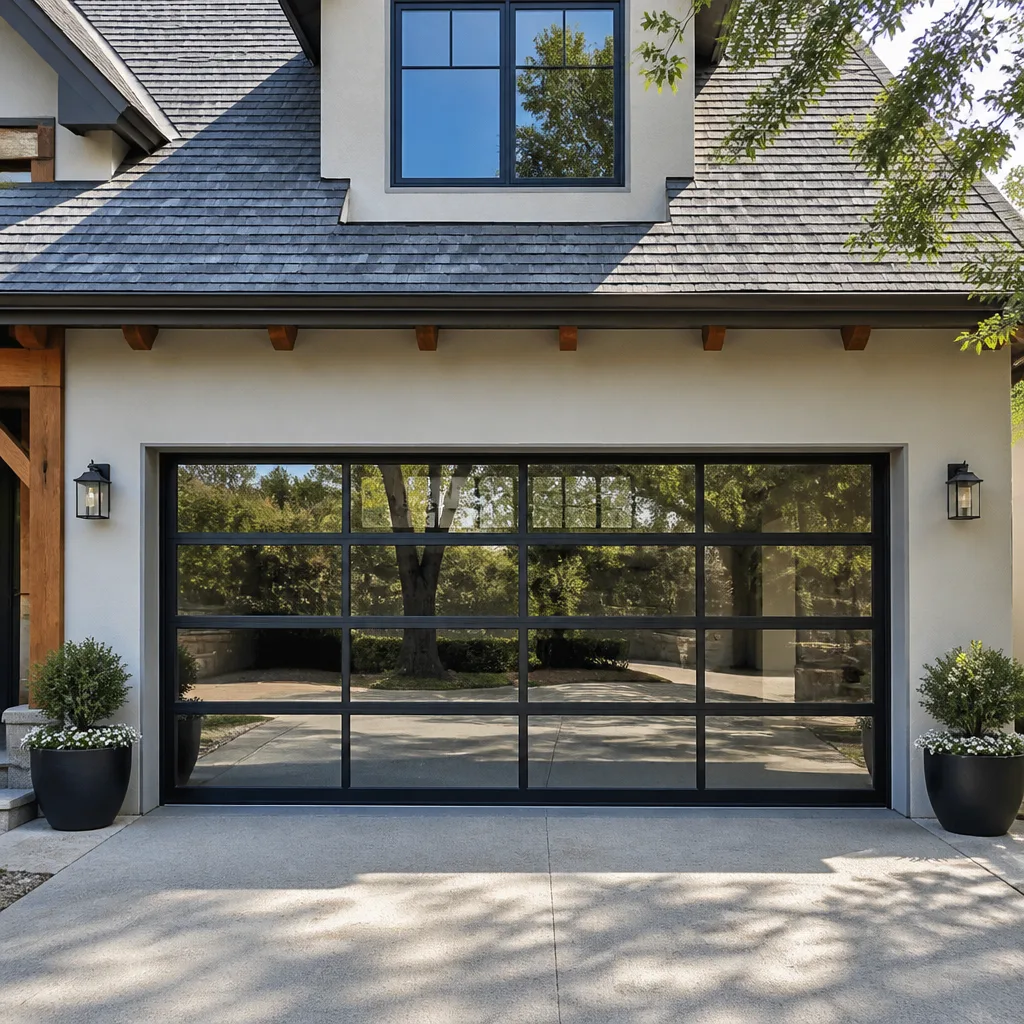 Full-view glass
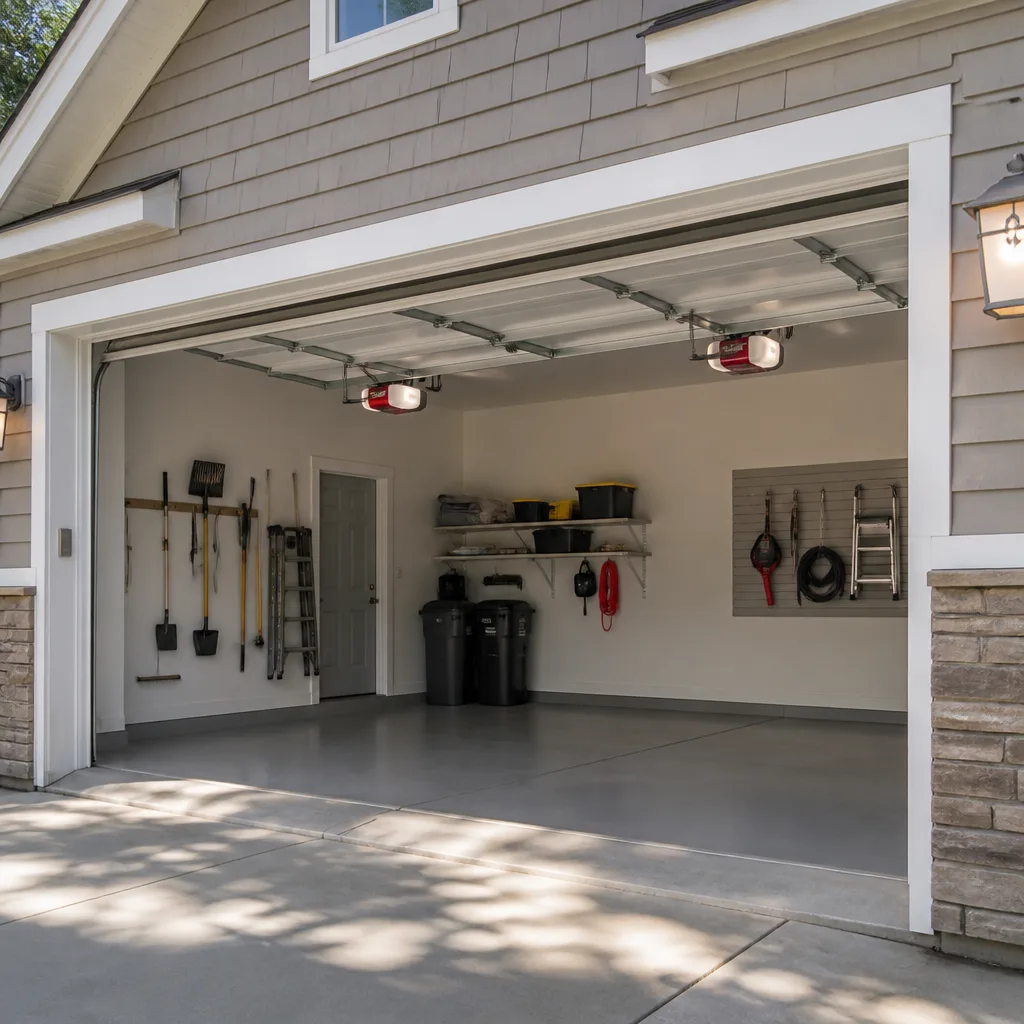 LiftMaster openers
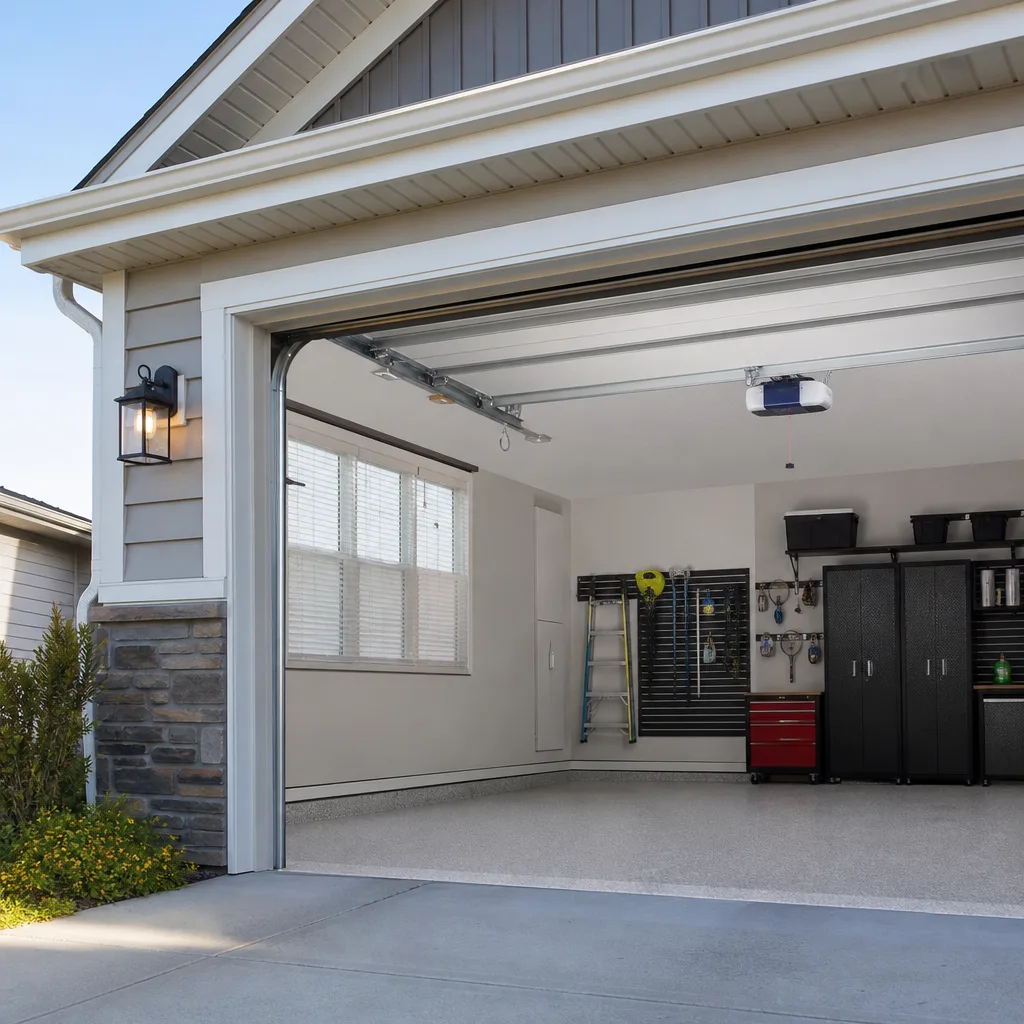 Chamberlain openers
Full 25-point door and opener safety check with every visit - springs, cables, rollers, tracks, and your LiftMaster or Chamberlain opener included
You get a price before we start. It does not change when the truck arrives.
Get your free estimateSeasonal Garage Door Care for Orlando: Year-Round Homeowner’s Guide
The week before a named storm makes landfall is the worst time to discover your hurricane-rated garage door’s bottom seal has been deteriorating for six months. Orlando homeowners don’t deal with snow and ice, but that doesn’t mean garage doors here live an easy life. Humidity, UV exposure, afternoon thunderstorms, and the annual hurricane watch from June through November create four distinct stress periods that most people never plan for. This guide breaks down exactly what your garage door goes through each season in Orlando, what to check and when, and which tasks you can handle versus which ones need a trained technician.
Quick Answer
Seasonal garage door maintenance in Orlando means four focused checkpoints each year: hurricane prep from June through November, cold-snap readiness from December through February, storm-season ramp-up from March through May, and ongoing heat and UV mitigation during the dry season. Most homeowners need about 30 minutes per season for basic inspections, plus one professional tune-up in spring and one in fall. The payoff is a door that doesn’t fail when you need it most.
Styles & brands we work with
Table of Contents
- Why Orlando’s Climate Punishes Garage Doors Differently
- Hurricane Season Prep: June Through November
- Cold Snap Readiness: December Through February
- Spring Storm Ramp-Up: March Through May
- Dry Season Heat and UV Mitigation
- Why Spring and Fall Are the Best Times for Professional Tune-Ups
- Monthly Garage Door Maintenance Checklist for Orlando
- Common Mistakes to Avoid
- When to Call a Professional
- Frequently Asked Questions
Why Orlando’s Climate Punishes Garage Doors Differently
Garage doors in Orlando face a combination that doors in most other parts of the country never see. The average humidity hovers between 70% and 80% for most of the year, which means metal parts corrode faster, lubricants break down sooner, and wood doors absorb moisture that leads to warping. Afternoon thunderstorms roll through nearly every day from June through September, and the rapid temperature swings between hot sun and cool rain cause metal panels and tracks to expand and contract repeatedly.
Then there’s the UV factor. Orlando sits at 28.5 degrees north latitude, close enough to the equator that the sun beats down at a steep angle for most of the year. Over time, that constant exposure fades paint, embrittles rubber seals, and weakens the top layer of fiberglass and some composite panels. A door facing west in neighborhoods like Dr. Phillips or Windermere gets the worst of it, with direct afternoon sun adding extra thermal stress to every component.
All of this means a garage door in Orlando ages faster than the same door would in Atlanta or Charlotte. The good news: most of the damage is preventable with a seasonal routine that takes less than an hour per quarter. The key is matching the maintenance to the actual stress period, not following a generic national checklist that treats October like “autumn” when it’s actually peak hurricane month here.
We’ve worked on doors across Orlando for years, and the pattern is consistent. Homeowners who follow a Florida-specific schedule rarely need emergency garage door repair in Orlando. Homeowners who wait until something breaks end up paying two or three times more, often during a storm week when every technician in the city is booked solid.
Hurricane Season Prep: June Through November
Hurricane season is the single most important maintenance period for garage doors in Orlando. A garage door is the largest opening in your home’s exterior envelope, and when it fails during a storm, the pressure differential can lift your roof. That’s not hyperbole. After Hurricane Andrew, building codes across Florida changed specifically because garage door failures contributed to catastrophic structural damage.
Here’s the step-by-step pre-hurricane checklist we recommend to every homeowner in Orlando:
- Verify your door’s wind rating. Since 2002, Florida building code has required new garage doors in Orlando to meet wind load standards for the region. Look for a sticker or label on the inside of a door panel showing the wind rating. If your door predates 2002 or has no visible rating, treat it as the weakest link in your storm defense and plan for replacement or reinforcement.
- Inspect the bottom seal. The rubber strip along the bottom of the door is your first line of defense against wind-driven rain. Run your hand along it and look for cracks, flattening, or gaps where it meets the concrete. A deteriorated seal lets water in and creates a path for wind pressure to build up inside the garage.
- Test the manual release. Pull the red emergency release handle and manually lift the door about three feet. It should move smoothly and stay in place when you let go. If it doesn’t, the spring tension needs adjustment. You’ll need this to work perfectly if the power goes out during a storm.
- Check all hinge and track bolts. Loose hardware is the most common point of failure during high winds. A 100 mph gust doesn’t blow a garage door off its tracks in one motion. It exploits a loose bolt, then a bent track, then a cascade that ends with the door in your living room.
- Clear the track path. Move bikes, storage bins, and anything else away from the door’s travel path. You want zero obstacles if you need to operate the door manually during an outage.
If the power goes out before or during a storm, here’s what to do: use the manual release only when conditions are safe, secure the door in the closed position, and do not attempt to force the opener. Most modern opener units from brands like Genie and Chamberlain have battery backup options that you can install before the season starts. A battery backup is one of the best investments an Orlando homeowner can make in hurricane season, because it keeps the opener working for several cycles after the grid fails.
We’ve seen too many Orlando garages with a functional opener but a frozen manual release on the day of an evacuation. That’s a 10-minute fix in June and a full-blown emergency in September. Don’t be that homeowner.
Cold Snap Readiness: December Through February
Orlando cold snaps are brief, usually lasting two to five days, but they hit garage doors harder than most homeowners expect. When temperatures dip below 40°F, two things happen: steel torsion springs contract slightly, and lubricant thickens. Neither one is catastrophic on its own, but combined with a spring that has already lost tension over years of use, the result is a door that hesitates, groans, or stops halfway.
The quick fix, if your door is sluggish on a cold morning, is to run it through a full cycle twice before loading anything into the garage. Let the moving parts warm up through operation. If the door still moves slowly or unevenly after that, the issue is likely spring tension, not the cold, and that’s a job for a technician. Springs under tension are dangerous to adjust without training and the right tools.
Cold weather inspection steps for Orlando homeowners:
- Listen for changes. A smooth door in October that sounds rough in January is telling you the lubricant has thickened or worn off. White lithium grease on the track and a silicone-based spray on the hinges and rollers usually restores it.
- Check the weatherstripping along the sides and top. Cold air intrusion is less about the door failing and more about the energy loss in the garage. A 1/4-inch gap along the side seal is enough to let a noticeable draft through.
- Test the auto-reverse sensor. Cold weather can cause condensation on the safety sensors, which sometimes triggers false stops or prevents the door from closing at all. Wipe both lenses with a dry cloth and test the door.
- Inspect the opener’s force settings. If your opener has an adjustment for force or sensitivity, colder weather may require a slight increase to keep the door moving smoothly. Check your owner’s manual for the specific procedure.
One more Orlando-specific note: cold fronts often arrive with high winds. If you have a lightweight aluminum door, a strong gust can push against the panels while the door is partially open, bending the horizontal struts. Make sure the door is fully closed during windy cold snaps, not left cracked for ventilation.
Spring Storm Ramp-Up: March Through May
Spring in Orlando is not a gentle season. It’s the ramp-up to the daily thunderstorm pattern that defines the summer, and it’s also when the first organized storm systems roll through. Lightning, wind gusts, and sudden downpours all put stress on the garage door system, especially the electronic components.
The spring task set is about clearing the damage from winter disuse and preparing for the electrical season ahead:
- Inspect the opener’s electrical connections. Pull the opener’s power cord and check for fraying or heat damage. Check that the outlet is grounded and the plug fits snugly. Loose plugs arc, and arcing in a humid garage is a fire waiting to happen.
- Test the safety sensors and auto-reverse. Place a 2×4 block of wood flat on the floor under the door’s path. Close the door. It should reverse on contact. If it doesn’t, your opener needs service before the season of daily use begins.
- Clean and lubricate all moving parts. Use a degreaser on the tracks if they’ve accumulated the winter’s grime, then apply fresh lubricant to hinges, rollers, and springs. Skip the track itself. Lubricant on the track surface attracts dirt and causes more problems than it solves.
- Check the door balance. Disconnect the opener with the manual release, then lift the door about waist height. It should stay put. If it drops, the springs are losing tension and the opener is doing more work than it was designed for, which shortens its lifespan significantly.
- Inspect the cables for fraying. The lift cables on either side of the door are under constant tension. Any strand separation means the cable is near failure and should be replaced immediately. A snapped cable sends a door crashing down faster than you can react.
If any of these checks reveals a problem, don’t wait. A spring tune-up in March costs a fraction of an emergency garage door opener repair in Orlando in July when the daily thunderstorm cycle is at its peak.
Dry Season Heat and UV Mitigation
The dry season in Orlando runs roughly from October through May, with the hottest, driest stretch from March through May. That’s when UV exposure and heat build-up do their slow, cumulative damage. Unlike a cold snap or a thunderstorm, this damage doesn’t announce itself. It accumulates quietly and shows up later as panel warping, seal failure, or paint fade.
Here’s what to inspect during the dry months:
- Panel warping on south- and west-facing doors. Walk outside and sight down the face of the door. Look for any panel that bows outward or doesn’t sit flush with its neighbors. Metal doors with dark paint absorb more heat and are more prone to thermal bowing. If you catch it early, reinforcing struts can often correct the issue. If you wait, the panel needs replacement.
- Seal brittleness. Rubber seals lose their flexibility as they age, and UV exposure accelerates the process. Squeeze the bottom seal between your fingers. If it feels hard or shows cracks when flexed, replace it. A new bottom seal costs under $30 and takes about 20 minutes to install.
- Paint fade and surface checking. Fading is cosmetic, but checking (small cracks in the paint film) exposes the metal underneath to moisture, which leads to rust in Orlando’s humidity. Touch up any checked areas with matching exterior paint before the wet season starts.
- Opener overheating. If your garage is unconditioned, the temperature inside can exceed 110°F on summer afternoons. Opener motors have thermal overload protection, which means they shut down temporarily when they get too hot. If your opener stops working on hot days and works fine in the morning, overheating is the likely culprit. Improving garage ventilation with ridge vents or a simple exhaust fan usually solves it.
Amarr and Clopay both manufacture doors with factory-applied UV-resistant finishes that hold up better in Florida’s sun than standard paint jobs. If you’re considering a door replacement, the finish is one of the most important factors in how long the door looks new. A door from one of these brands selected for its UV-rated finish will outlast a bargain door by five to seven years in the Orlando climate.
Why Spring and Fall Are the Best Times for Professional Tune-Ups
There’s a reason smart Orlando homeowners schedule professional tune-ups in March and October. March gets the door ready for the daily thunderstorm cycle and the summer heat that follows. October gets it ready for the possibility of a late-season storm and the brief cold snaps of winter. Between these two tune-ups, the door stays within its operating tolerances for the entire year.
How far in advance should you book? For a fall tune-up, which is the more critical of the two due to hurricane season, book by early September at the latest. The worst week of the year for garage door failures in Orlando is the week before a named storm makes landfall, and that’s also when every technician in the region is booked out. Booking in August or early September guarantees you’ll have service before any storm pressure builds.
For a spring tune-up, booking in February is ideal. The demand spike is less dramatic than hurricane season, but you’ll still have more scheduling flexibility than waiting until the first heat wave of April.
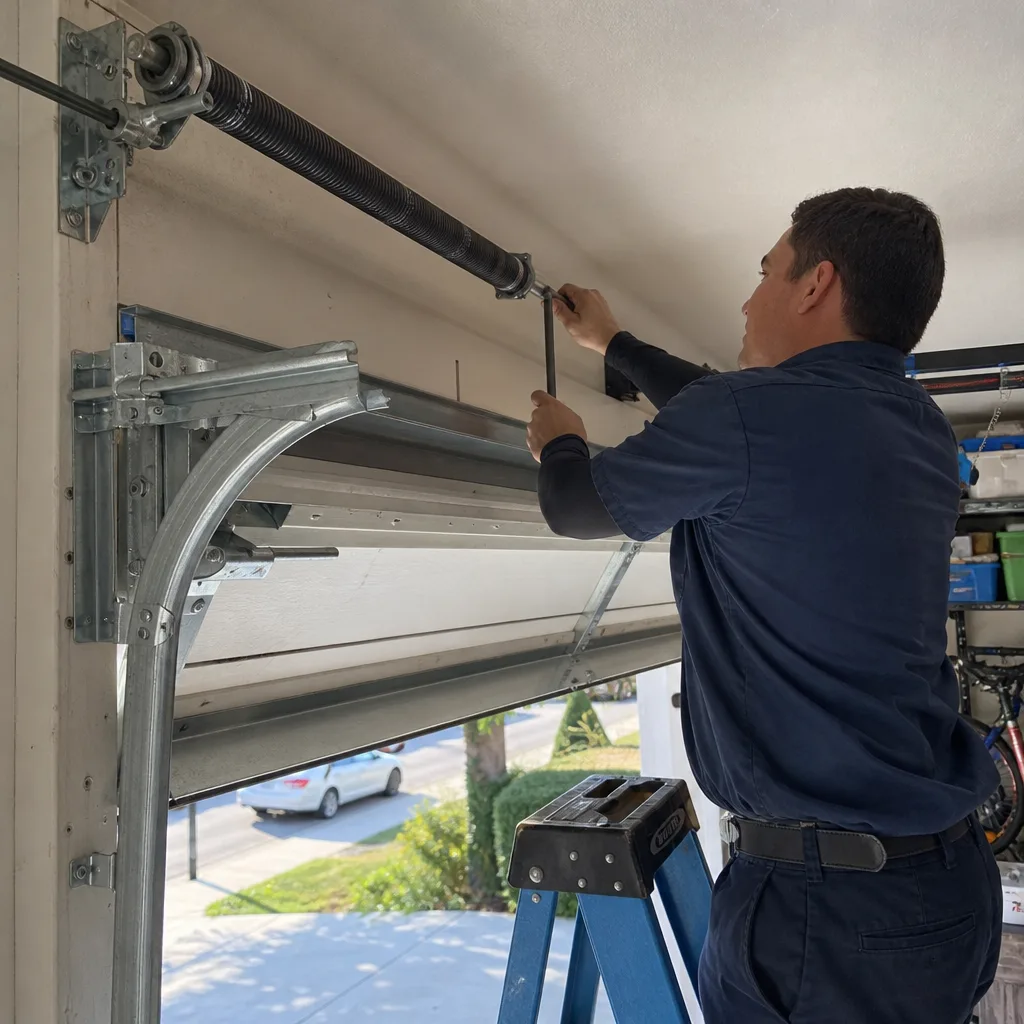
A professional tune-up in Orlando typically includes spring tension adjustment, track alignment, hardware tightening, lubrication of all moving parts, safety sensor testing, opener force adjustment, and a full door balance check. Most tune-ups take 45 to 60 minutes. If the technician finds a worn part, addressing it during the tune-up saves the cost of a separate service call later.
We work on the brand you already have, whether that’s a Wayne Dalton door with a Genie opener or a Clopay door with a Chamberlain drive. That means one call handles the entire system, not just half of it. For homeowners who want a single point of contact for both the door panels and the opener motor, that’s the difference between coordinating two contractors and making one phone call.
Monthly Garage Door Maintenance Checklist for Orlando
Between seasonal deep dives, a quick monthly check keeps small problems from becoming big ones. Set a recurring calendar reminder for the first Saturday of each month. The whole checklist takes 15 minutes.
- Open and close the door once. Listen for unusual noises: grinding, squealing, popping, or thumping. Each one points to a different issue.
- Watch the door as it moves. It should travel smoothly without jerking, hesitation, or uneven movement from side to side.
- Check the safety sensors. Both should have solid green or red indicator lights, depending on the model. Wipe the lenses with a dry cloth.
- Inspect the bottom seal. Look for gaps, cracks, or flattening. This is the single most replaced part on Orlando garage doors due to heat and humidity.
- Clear debris from the track path. Leaves, dirt, and the occasional lizard find their way into the tracks. A quick vacuum or brush-out keeps the rollers moving freely.
- Test the auto-reverse. Place something soft but substantial (a rolled-up beach towel works) under the door’s path and close it. It should reverse on contact.
For a deeper understanding of what’s involved in a full repair job, see our guide to Garage Door Repair in Orlando. If your opener is the weak link, read about Garage Door Opener Repair in Orlando to understand common failure points and warning signs.
Common Mistakes to Avoid
- Using WD-40 as a garage door lubricant. WD-40 is a solvent and water displacer, not a lubricant. It strips away the grease your door needs. Use white lithium grease on metal-on-metal contact points and a silicone spray on rollers and hinges.
- Skipping the bottom seal inspection until you see daylight. By the time you can see a visible gap under the door, the seal has been failing for months and letting in water, pests, and hot air the entire time.
- Testing the manual release only during an emergency. The worst time to discover your manual release cable is frozen or disconnected is during a power outage with a storm bearing down. Test it quarterly.
- Ignoring a door that’s slightly out of balance. A door that drops a few inches when released at waist height is using the opener as a crutch. That extra strain shortens the opener’s motor life by years and leads to premature spring failure.
- Painting over rust without treating the metal first. In Orlando’s humidity, surface rust spreads fast. A quick coat of paint over rust just seals in the corrosion. Sand it down, apply a rust converter, then paint.
- Waiting until a storm is forecast to do hurricane prep. Once a named storm enters the Gulf or the Atlantic with a projected Florida track, every hardware store in Orlando sells out of seals, batteries, and reinforcing kits within 48 hours. Do your prep in June, not when the storm is three days out.
- Assuming a new door doesn’t need maintenance. New garage doors need lubrication and balance checks just like old ones. The difference is that maintenance on a new door keeps it working like new for a decade, while neglect turns a 10-year door into a 5-year door.
When to Call a Professional
Some garage door tasks are genuinely dangerous without training and the right tools. Torsion springs under tension can release with enough force to cause serious injury. Lift cables under load can snap and whip. Track adjustments require precise alignment to keep the door from binding mid-cycle. If your door is out of balance, your springs show wear, your cables are frayed, or your door has come off its track, that’s a professional job. In our experience, homeowners save money by calling before attempting a DIY repair on these components, not after the damage compounds. Lighthouse Garage Door Service offers free estimates in Orlando, and we’ll tell you honestly whether a repair makes sense or a replacement is the better long-term value. Call (833) 613-0599 to schedule.
Frequently Asked Questions
Professional garage door tune-ups in Orlando typically range from $89 to $159 for a standard single door, depending on the age and condition of the system. If the tune-up includes spring adjustment or replacement parts, the cost rises accordingly. A replacement bottom seal adds $30 to $50 including labor when done during a tune-up. Call (833) 613-0599 for an exact quote on your specific door. Estimates are free.
Yes, the monthly and seasonal inspection checklists in this guide are designed for homeowners to complete safely. Lubricating hinges and rollers, cleaning tracks, testing the auto-reverse, wiping sensors, and inspecting seals are all safe DIY tasks. Anything involving spring tension, cable replacement, track realignment, or opener force settings should be handled by a trained professional because those components are dangerous to work on without proper tools and experience.
Twice per year is the standard recommendation for Orlando’s climate: once in early spring (March) and once in early fall (September). The spring service prepares the door for daily thunderstorm use and summer heat. The fall service is the critical one for hurricane season readiness. Homes with heavily used doors, such as households where the garage serves as the primary entrance, benefit from service every four months instead of every six.
Verifying the door’s wind rating and installing a reinforcement kit if the door is unrated. A garage door that fails during a hurricane creates a pressure surge that can lift the roof off your home. Even a basic reinforcement kit with vertical struts and a heavy-duty bottom seal significantly improves survival odds. This is the single highest-value storm prep task for any Orlando homeowner.
Cold temperatures cause metal parts to contract slightly and lubricant to thicken, which increases friction in the moving parts. Brief Orlando cold snaps below 40°F are usually enough to trigger this. Running the door through a full cycle twice before use helps. If the noise persists after the cold front passes, the lubricant has likely worn off or the springs need tension adjustment.
It depends on the door’s structural condition and wind rating. If the door has significant panel rust, a non-working auto-reverse, failing springs, or no wind rating, replacement is the safer and often more economical choice before hurricane season. A new door with a verified wind rating and modern safety features outperforms a reinforced old door in almost every scenario. For an honest assessment of whether repair or garage door installation in Orlando makes more sense for your home, call (833) 613-0599 for a free evaluation.
The Bottom Line
Orlando’s climate doesn’t follow the four-season pattern that most maintenance guides assume. Our garage doors face hurricane winds, daily thunderstorms, extreme UV exposure, and occasional cold snaps, each of which stresses the system in different ways. The solution is a simple rhythm: monthly 15-minute checks, seasonal deep inspections matched to the actual stress period, and professional tune-ups in March and September. Do that, and your door will outlast its expected lifespan by years. Skip it, and you’ll likely need an emergency Lighthouse Garage Door Service home visit on the worst possible day. For a free tune-up estimate or a full hurricane prep inspection, call (833) 613-0599.
Written by the team at Lighthouse Garage Door Service, serving Orlando since 2014.
See the difference
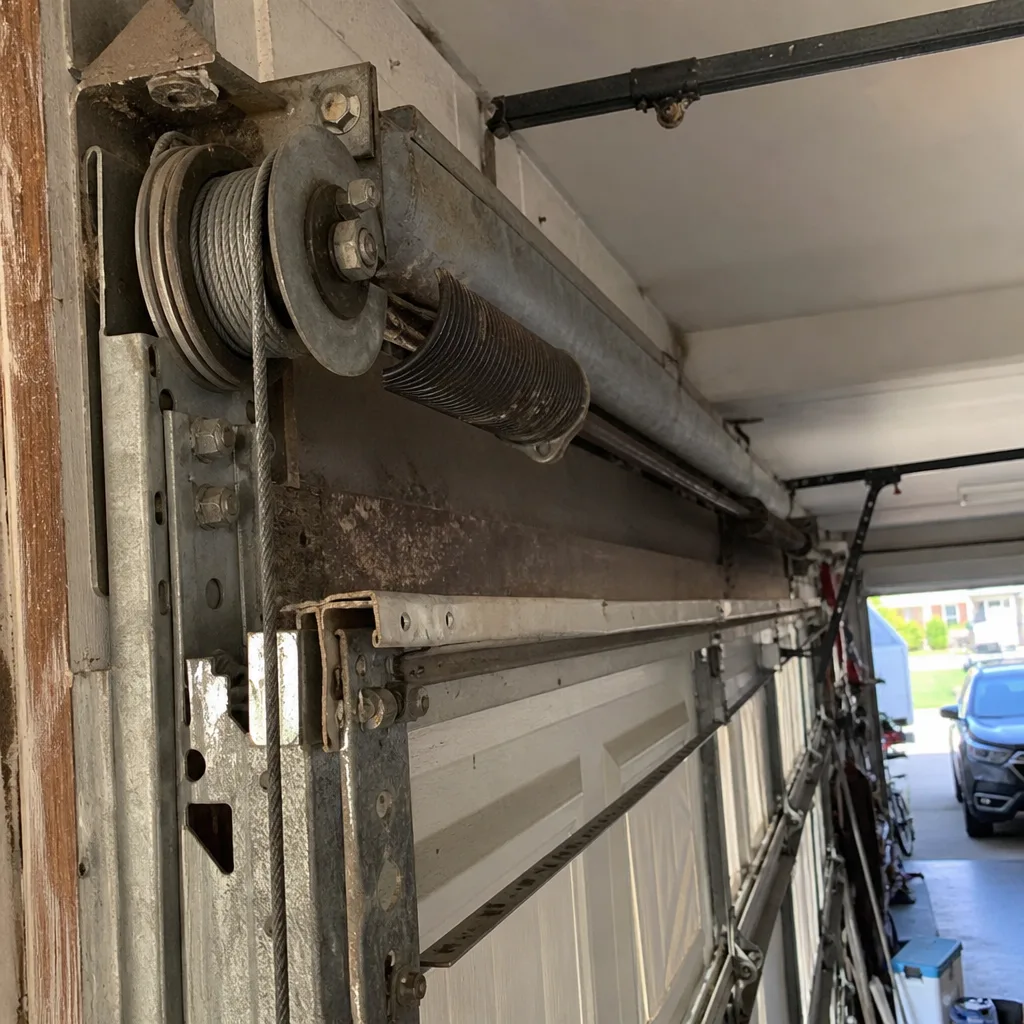 Before
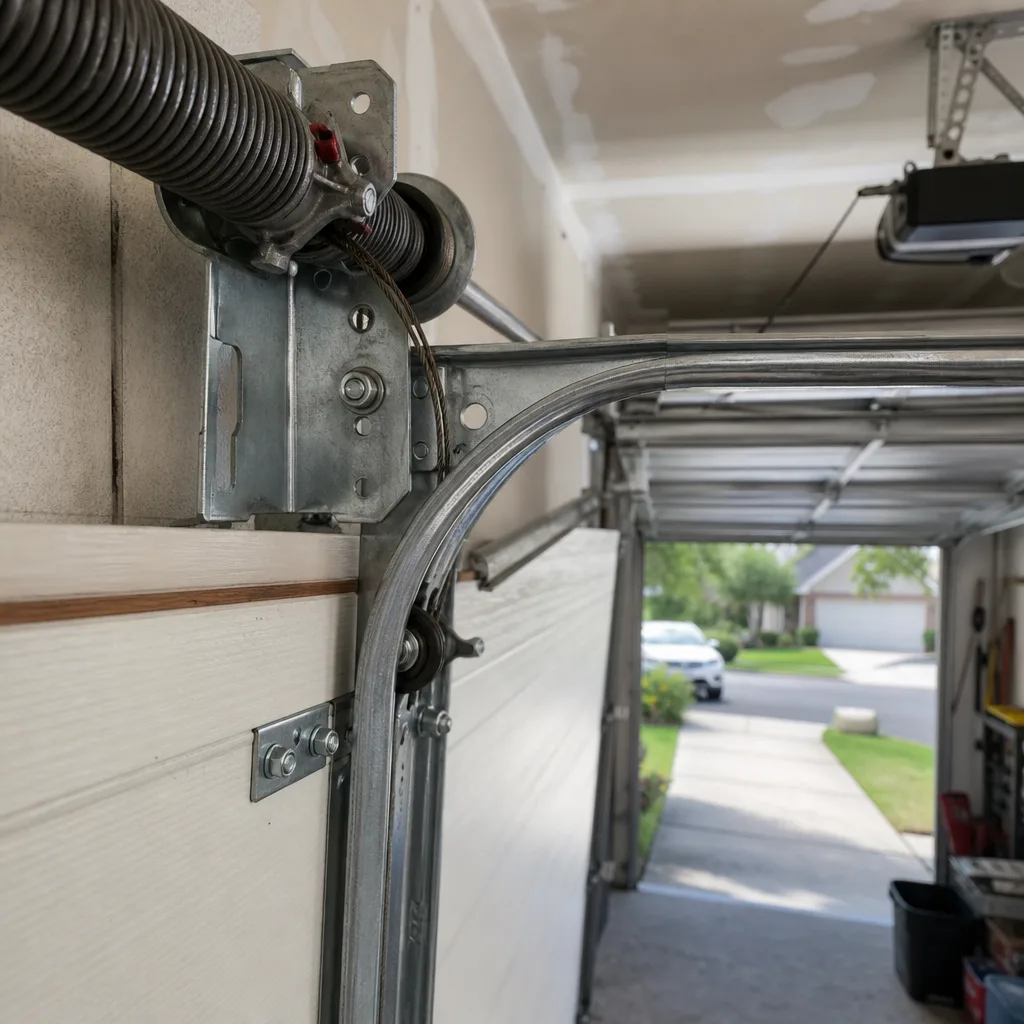 After
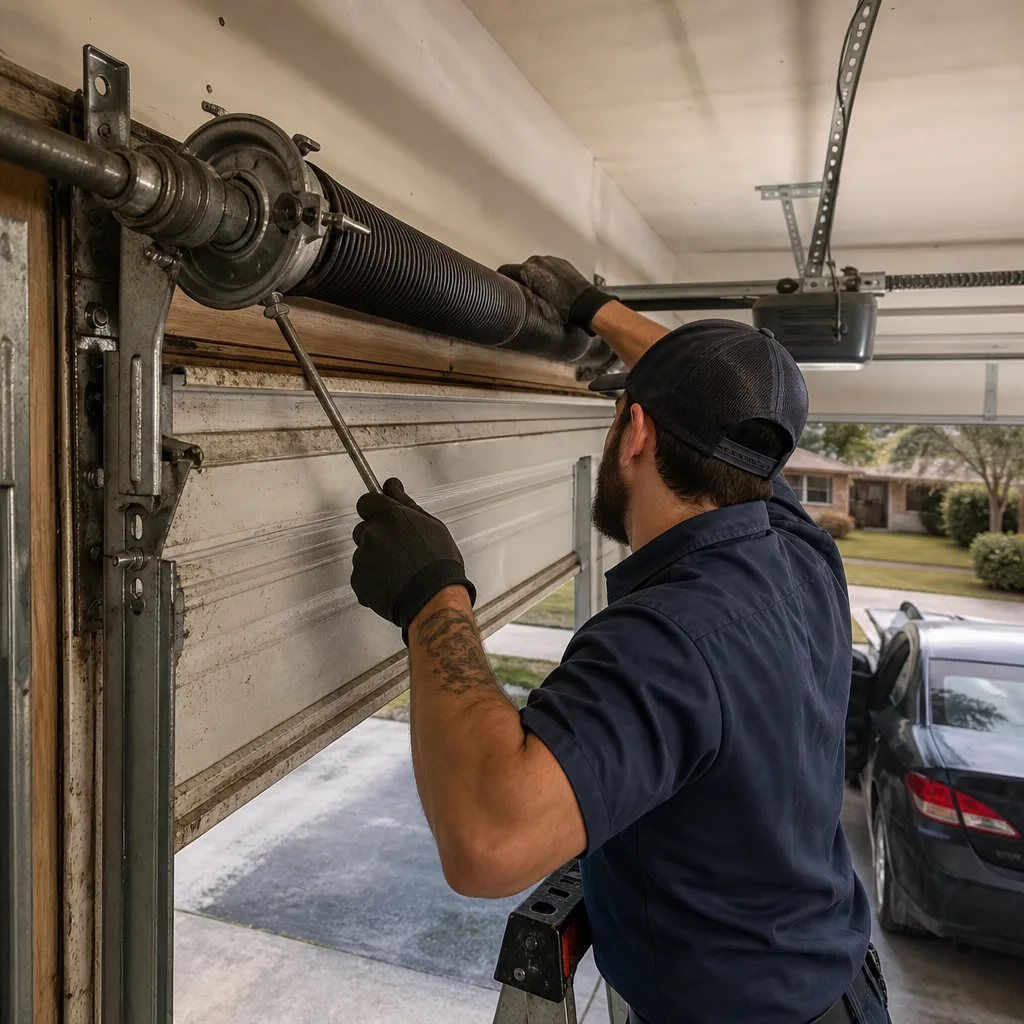 Before
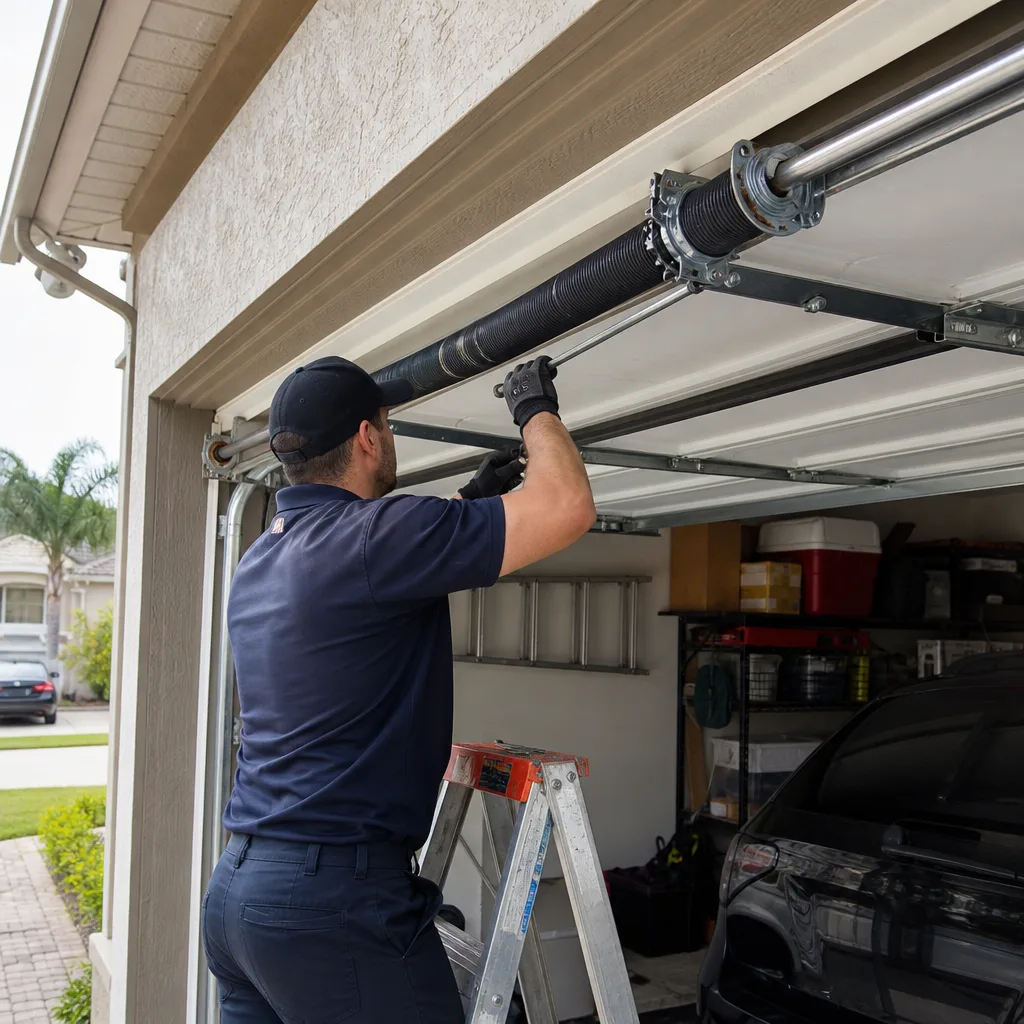 After
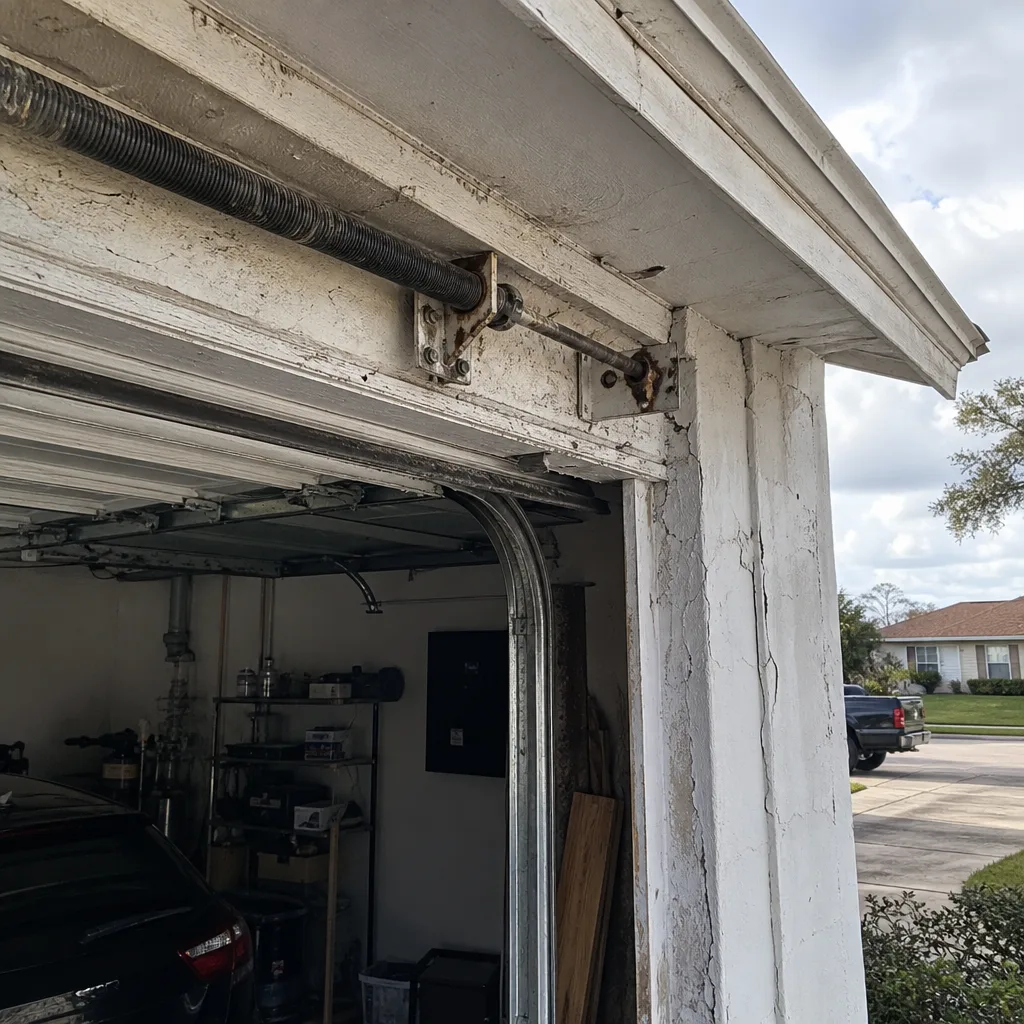 Before
 After