
Last updated October 30, 2026
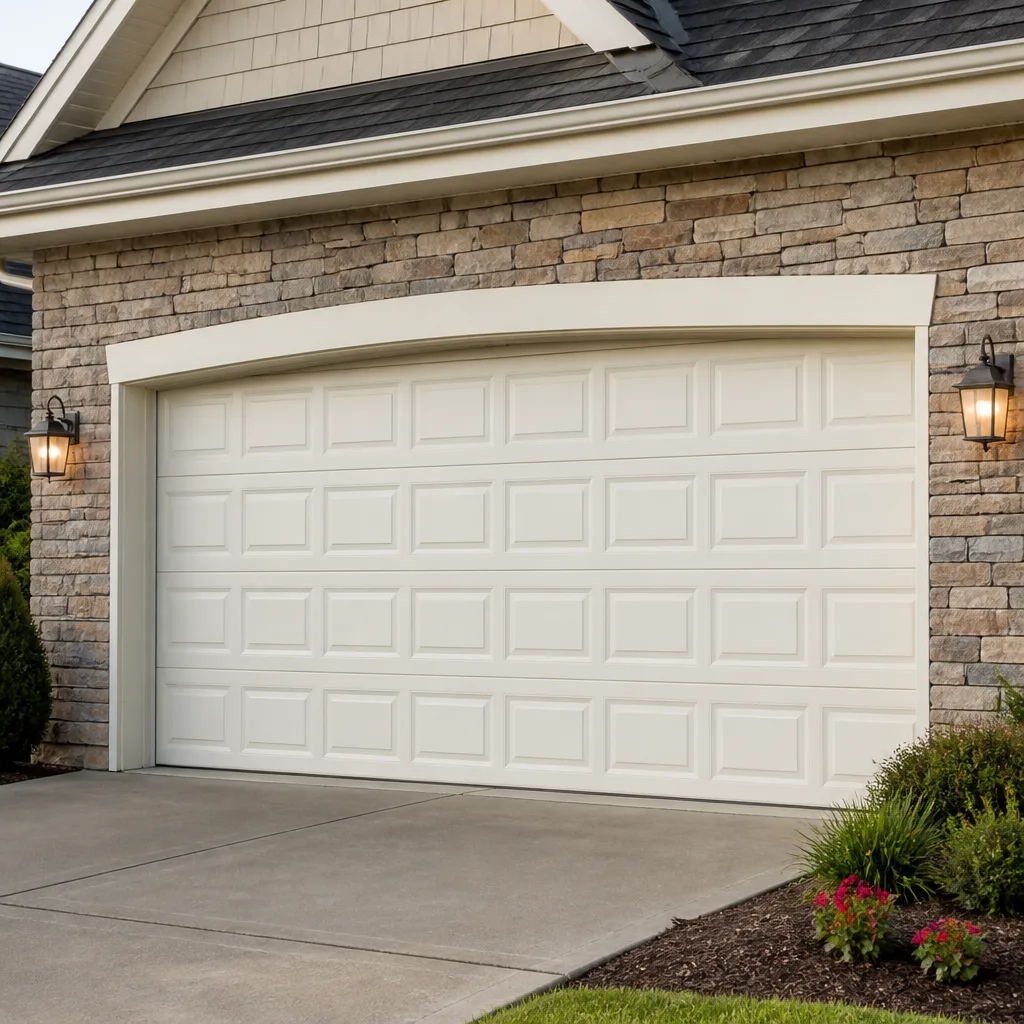 Raised-panel steel
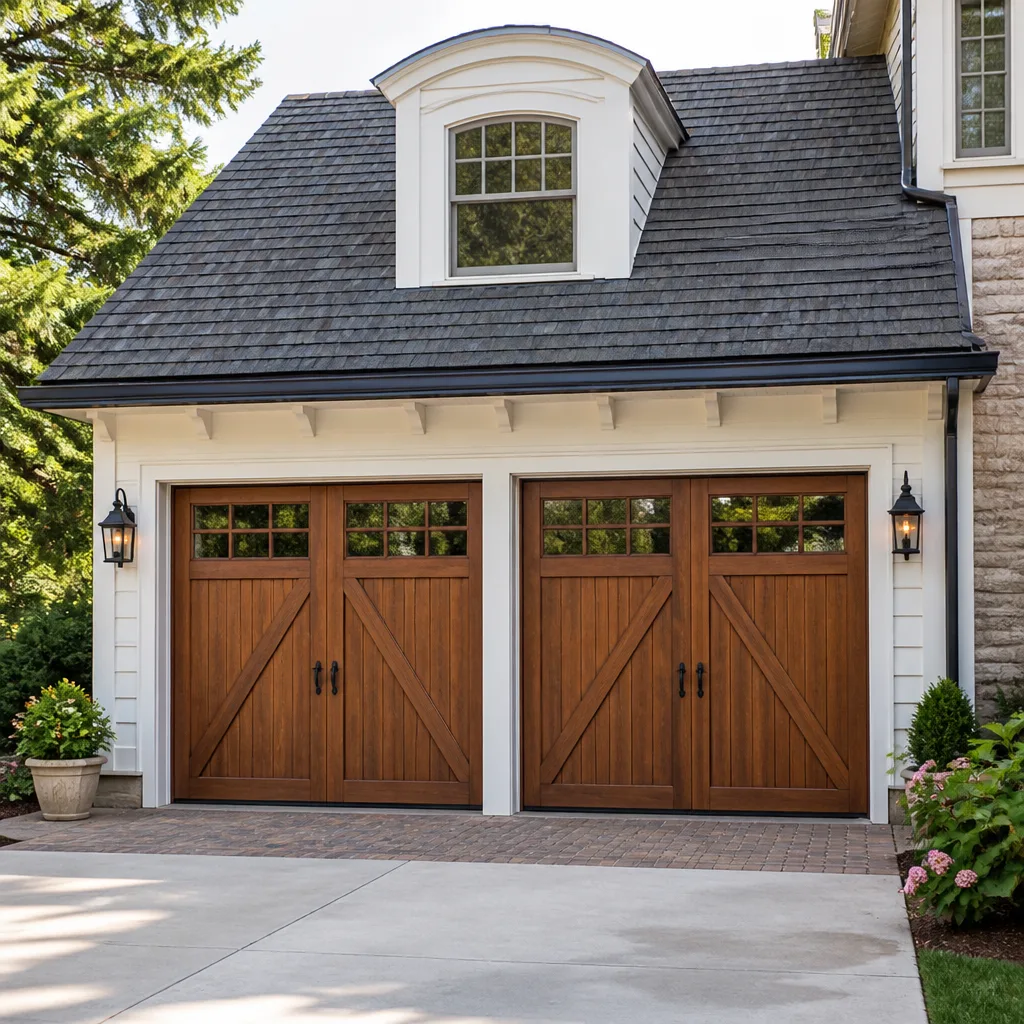 Carriage house
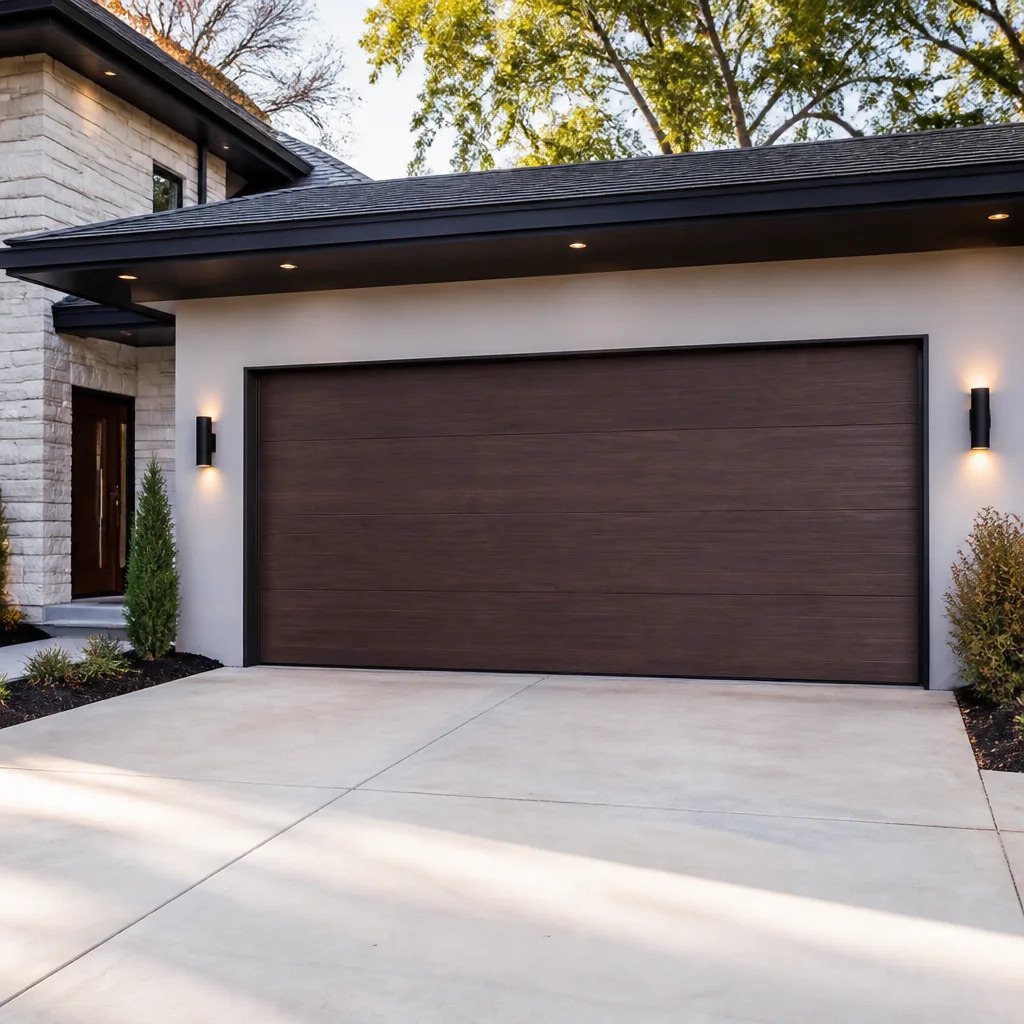 Modern flush
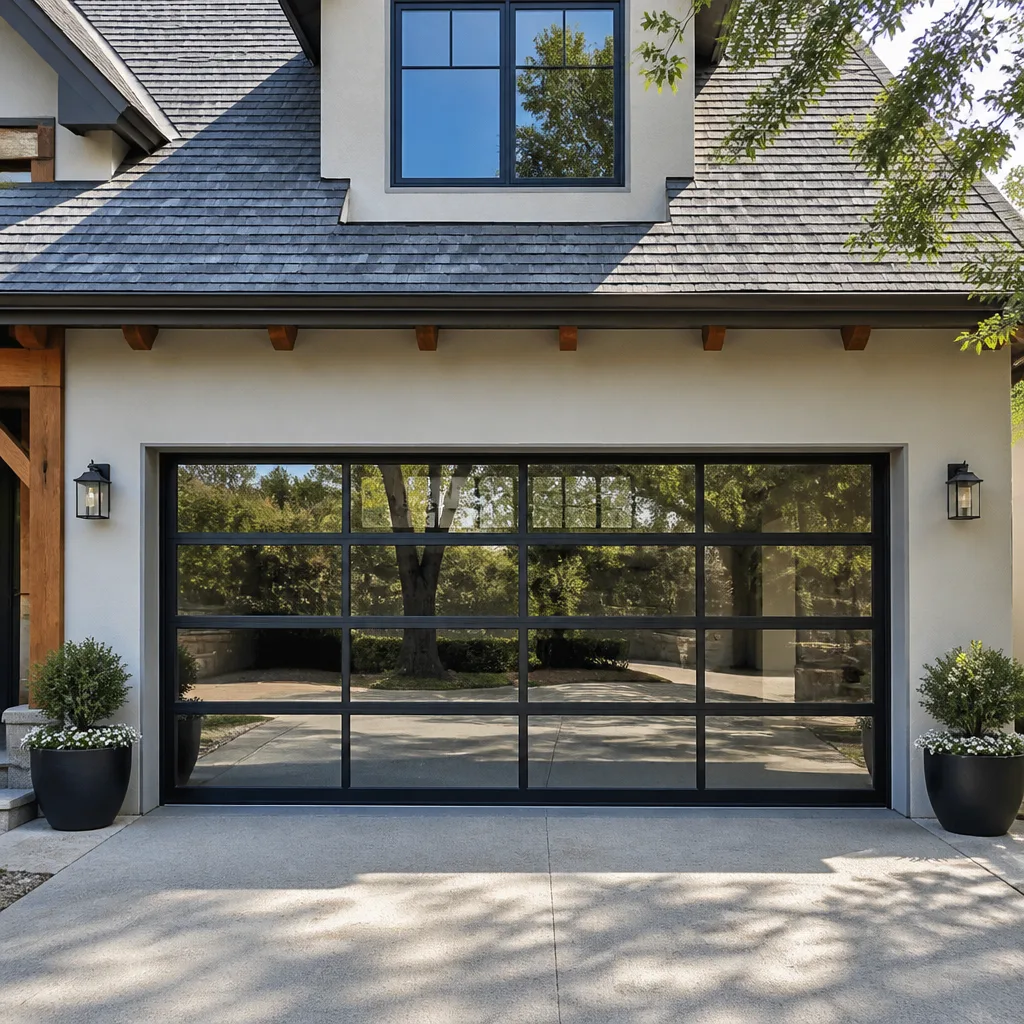 Full-view glass
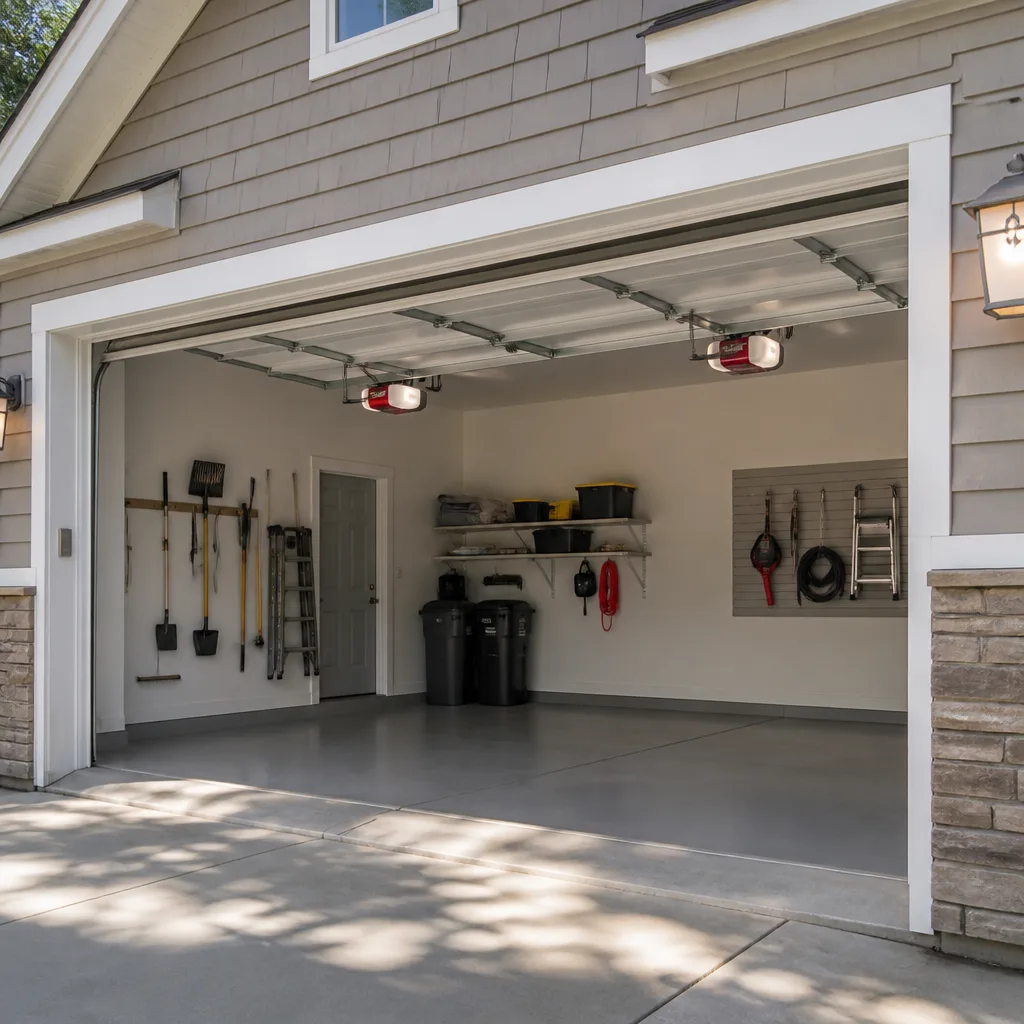 LiftMaster openers
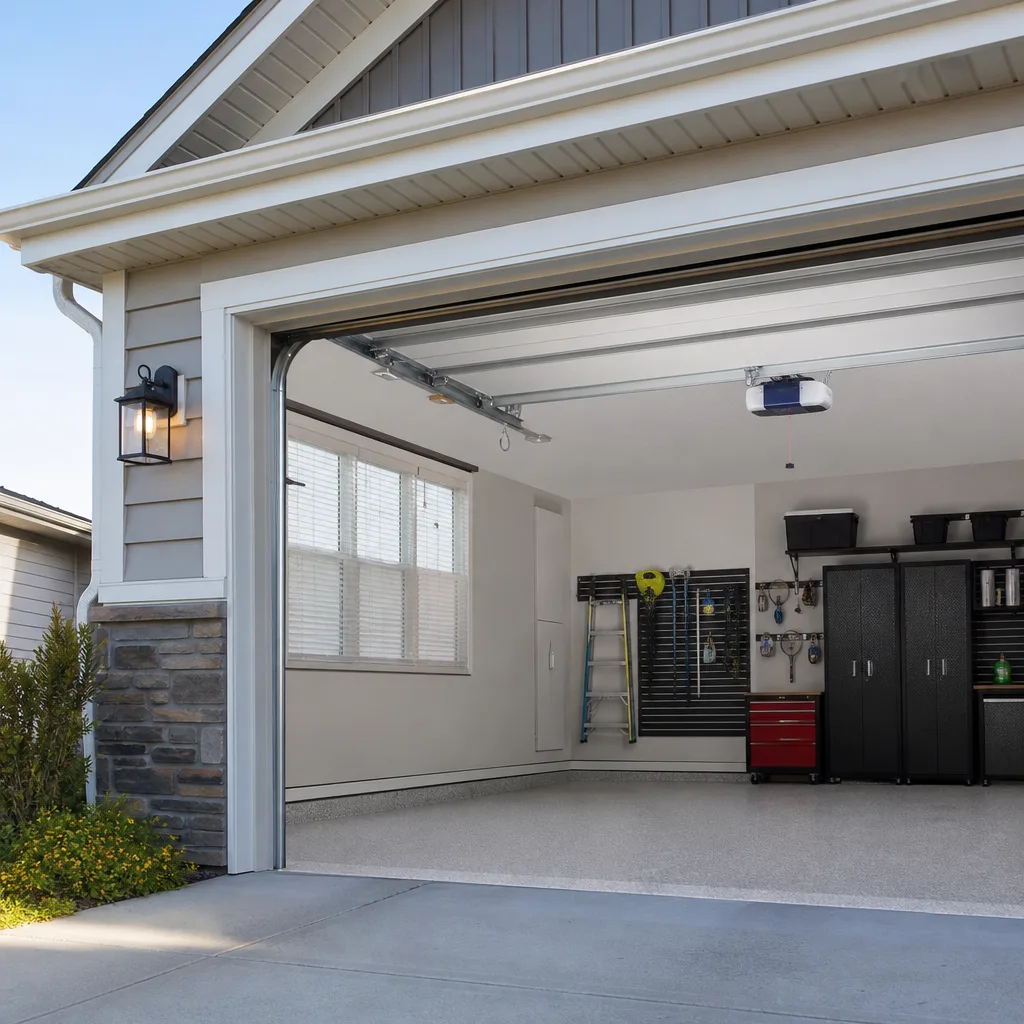 Chamberlain openers
Full 25-point door and opener safety check with every visit - springs, cables, rollers, tracks, and your LiftMaster or Chamberlain opener included
You get a price before we start. It does not change when the truck arrives.
Get your free estimateGarage Door Emergency Preparedness Guide for Orlando Homes
During Hurricane Ian, a sobering number of Orlando homeowners found themselves in their garages in pitch darkness, tugging at a red release cord they had never once touched in ten years of living there, with 80 mph gusts rattling the door. That is a terrible moment to learn how your garage door works. This guide builds a readiness plan around the actual emergencies Central Florida homes face, and you can find more guides & resources on our blog. By the time you finish reading, you will know how to operate your door manually, what to check before a storm, what to do when the power fails, and how to inspect everything safely afterward.
Quick Answer
The single most important garage door emergency preparation you can make in Orlando is simple: learn how to operate your door manually before you need to, verify its wind-load rating against current Florida building code, and have a plan for securing it during a prolonged power outage or hurricane warning. Most failures happen because homeowners wait until the emergency is already at the door. A 15-minute practice session with the release cord and a quick visual inspection of springs, cables, and rollers covers 80% of what goes wrong, as detailed in our Garage Door Repair Maintenance Checklist for Orlando Homeowners.
Styles & brands we work with
Table of Contents
- How to Operate Your Garage Door Manually in an Emergency
- Wind-Load Ratings and the Florida Building Code
- The Pre-Storm Prep Sequence for Orlando Homes
- Power Outage Protocols and Battery Backup Options
- Post-Storm Inspection Checklist
- Common Mistakes to Avoid
- When to Call a Professional
- Frequently Asked Questions
How to Operate Your Garage Door Manually in an Emergency
Every automatic garage door opener in Orlando homes has a manual release mechanism, and it is embarrassingly simple once you know where to look. The release is a red cord hanging from a trolley assembly on the opener rail, usually near the motor unit mounted to the ceiling. Pulling it disconnects the door from the motorized carriage so you can lift the door by hand. This matters for three Orlando-specific reasons: hurricanes knock out power for days, surge events can fry opener circuit boards, and afternoon lightning strikes are common enough that every homeowner should know the drill.
Step-by-Step for LiftMaster, Chamberlain, and Genie Openers
- Make sure the door is fully closed. Never pull the release cord while the door is open; the weight of a falling door panel can break a wrist or worse.
- Locate the red cord. On LiftMaster and Chamberlain units, it hangs from the center trolley on the rail. On Genie models, it is typically a red handle near the front of the rail assembly.
- Pull the cord firmly down and toward the door. You will hear a click as the trolley disengages from the drive chain or belt.
- Lift the door by its handle or bottom edge. A properly balanced door should feel heavy but liftable, roughly 40 to 60 pounds for a single-car door. If it feels like dead weight or will not budge, stop. A broken spring is a job for a garage door repair professional in Orlando, not a test of your back strength.
- To re-engage, pull the cord back toward the motor and press the opener’s wall button or remote. The trolley will latch onto the drive on the next cycle.
A practical tip from our service calls around College Park and Thornton Park: practice this when conditions are calm. Run through the sequence twice during daylight with the power still on. You want the motion to be muscle memory, because the one time you need it, the power will be out and the garage will be dark. Keep a flashlight on a hook near the interior door to the house, not buried in a kitchen drawer.
Wind-Load Ratings and the Florida Building Code
Florida building code is stricter about garage doors than almost anywhere else in the country, and for good reason—see Garage Door Permits, Codes & Inspections in FL: What You Need to Know for full details. A garage door is the largest opening on your home’s exterior. If it fails during a hurricane, internal pressure spikes and the roof is at risk. Homes in Orlando fall under the Florida Building Code’s wind-borne debris region requirements, which means garage doors must be rated for specific wind speeds depending on your exact location. Most of Orange County sits in the 130 to 150 mph wind speed zone, but a few neighborhoods closer to the coast-adjacent storm corridors have stricter requirements. Your door panel itself should have a label or sticker indicating its wind-load rating. Look near the bottom corner of a section or on the inside face of the panel.
What to Do If Your Door Doesn’t Meet Code
- Don’t panic and don’t go door shopping in August. Wind-load reinforcement can sometimes be retrofitted with bracing kits, though replacement is often the better long-term answer for doors older than 15 years.
- Take a photo of the rating label with your phone and store it in your camera roll. If you ever need to file an insurance claim for storm damage, that photo is the difference between a smooth process and a fight.
- Check the label before you buy a home. A door without a visible rating label is a red flag, especially on houses built before 2002 when Florida adopted stronger hurricane provisions.
- Ask about hurricane-rated models when the time comes for garage door installation in Orlando. Brands like Clopay and Amarr make code-compliant hurricane doors that look like ordinary residential panels, no boarding required.
In our experience in Orlando’s older neighborhoods like Delaney Park and Audubon Park, most pre-1995 garage doors were never wind-rated to current code. You can still love your mid-century house and need a new garage door. The two are not mutually exclusive.
The Pre-Storm Prep Sequence for Orlando Homes
When a hurricane or tropical storm is forecast to impact Orange County, you have a window of 24 to 48 hours. Here is the preparation sequence we recommend, in order of importance. This assumes you have already handled the household basics: water, food, medications, fuel. For the garage door specifically, start early.
- Inspect the door visibly, not mechanically. Look at the springs, cables, rollers, and hinges. A frayed cable or rusted spring is a warning sign. Do not touch or attempt repairs during a storm watch if you are not trained. Garage door torsion springs are under extreme tension; a slipped tool here has sent people to the emergency room.
- Close the door. It sounds obvious, but every storm season we get calls from people who left the door up because they were moving patio furniture inside. A closed door is a braced door.
- Lock it from inside if your model has a manual slide lock. These are common on older Orlando homes and provide an extra point of protection against wind pressure. Newer doors without slide locks do not need this step; the opener itself locks the door when in the closed position.
- Decide: brace, board, or neither. If your door is not wind-rated and you are in the direct path, bracing with a kit from a hardware store is the minimum. Boarding over the door is the more robust option but requires planning. If your door carries a current Florida code wind-load rating, doing nothing is fine. That is the whole point of the rating.
- Charge and test your opener battery backup. If you have one, make sure it is fully charged. If you don’t, now is the moment to decide whether you will need one for the next storm. More on that below.
- Position your car away from the door if possible. Park in the driveway or along the street if trees and flood risk allow. If a door panel fails in a storm, the last thing you want is your car taking that impact.
A note on timeline: do not wait until the county issues a warning. Orlando gets 55 inches of rain a year and afternoon thunderstorms can knock out power with zero notice. The prep sequence above is useful even for a severe thunderstorm watch in July, not just a September hurricane.
Power Outage Protocols and Battery Backup Options
Power failure is the single most common garage door emergency in Orlando, and it usually has nothing to do with hurricanes. Summer lightning, transformer failures, and utility maintenance knock out power to individual blocks and neighborhoods all the time. When the power is out and you need your car, you have exactly three options: use the manual release, use a battery backup unit, or call someone who can get the door open safely.
Battery Backup by Opener Brand
| Brand | Battery Backup Availability | What to Know |
|---|---|---|
| LiftMaster | Built-in on most models made after 2019 | Provides roughly 20 to 25 open/close cycles on a full charge |
| Chamberlain | Built-in on select models; add-on battery available for others | The add-on battery is a plug-in module that mounts to the opener |
| Genie | Built-in on Aladdin Connect and some premium models; add-on for others | Battery health degrades after about 3 years in Florida heat |
One Orlando-specific note: heat kills batteries. Garage temperatures in Central Florida routinely exceed 100 degrees in the summer, and that shortens battery life noticeably. If your opener has a backup battery that is more than three years old, treat it as if you have no battery at all. Test it quarterly by unplugging the opener and running the door through one full cycle.
What Happens When the Battery Dies
When the battery is drained and the main power is still out, you are back to the manual release. There is no trick or workaround; the door will not operate automatically. This is why the manual release sequence in the first section matters more than any battery purchase. A battery backup is a convenience. The release cord is a guarantee.
Securing the Door During a Long Outage
If you expect power to be out for days after a storm, close the door, pull the release cord, and engage the manual slide lock if you have one. This prevents the door from being lifted from outside by someone who shouldn’t be doing that. Looters and opportunistic thieves do operate after major storms; an open or unlocked garage door is an invitation. If your opener has a deadbolt or automatic lock feature (common on LiftMaster and Chamberlain models with a lock icon), those engage automatically and do not require power to stay locked.
A related issue we see every hurricane season in Orlando: people reconnect the door to the opener while the power is out, then lose patience and try to force the door up by hand, stripping the carriage. Re-engage only when the power is back or when you have a clear reason to move the door manually. The garage door opener repair specialists in Orlando see a predictable spike in stripped carriages and bent rails in the two weeks after any major storm event.
Post-Storm Inspection Checklist
After the storm passes and the power is back, resist the urge to press the opener’s wall button immediately. Walk through this checklist first, in order. Each item takes about ten seconds, and together they prevent most post-storm garage door failures in Orlando.
- Look at the outside of the door. Check for dents, punctures, or lifted sections. A branch impact or flying debris can dent a panel without breaking it; that dent can bind the door in its tracks later.
- Check the bottom weather seal. High water and debris will rip or displace it. A damaged seal is not an emergency, but it lets water, insects, and rodents in. Orlando’s humidity makes this worse: moisture trapped in the door frame leads to rust in the track hardware.
- Inspect the track alignment. Stand inside the garage and look up at the vertical tracks on both sides. They should be perfectly plumb and parallel. Wind pressure can flex tracks outward just enough to cause a derail later.
- Examine the cables. Both lift cables should sit snug in their grooves on the drums. A loose or frayed cable is a repair that should happen before the door is used again.
- Look for rust spots on springs. Rust is not cosmetic on a torsion spring; it is a stress riser. A rusty spring under tension is a snap waiting to happen.
- Test the door manually first. Pull the release cord and lift the door by hand. It should move smoothly through the full travel with no binding, scraping, or hesitation.
- Then test the opener. Re-engage the trolley and run the door through two full open/close cycles. Listen for grinding, thumping, or a change in motor pitch. Any of those means a problem.
If the door passes all seven checks, you are clear. If anything looks or sounds wrong, especially involving springs or cables, stop using the door and call a professional. A Lighthouse Garage Door Service home consult is the right move when the door has survived a direct hit from a storm that strong.
Common Mistakes to Avoid
- Pulling the release cord while the door is open. A garage door can weigh 150 to 300 pounds depending on size and material. Gravity wins. The door closes instantly and unstoppably. This is the most common and most dangerous mistake we see in Orlando.
- Buying a battery backup, installing it, and forgetting it exists. Batteries die in heat. Test quarterly. A dead backup battery is the same thing as no backup battery, except it gives you false confidence.
- Ignoring the wind-load rating until the forecast shows a category 3. You cannot retrofit a hurricane-rated door in 48 hours. This is a dry-season project, not a storm-season project.
- Using WD-40 on garage door rollers. This is the most abused advice on the internet. WD-40 is a solvent and degreaser, not a lubricant. It will clean the roller but leave it dry and squeaky. Use white lithium grease on metal parts and silicone spray on nylon rollers, and never attempt to lubricate a torsion spring yourself.
- Forcing the door open when it’s stuck. A stuck door usually means a broken spring or an obstruction in the track. Forcing it bends panels, breaks hinges, and can cause the door to come off its tracks. In Orlando’s older neighborhoods with heavy wooden doors, this one is a regular source of self-inflicted repair bills.
- Disconnecting the opener during a power outage and then not reconnecting it properly. Half-engaged trolleys strip drive gears and destroy carriages. When the power comes back, press the wall button and let the opener re-engage itself before touching the remote.
- Boarding the wrong face of the door. If you board from the outside only, wind pressure pushes the board into the door and the door into your car. Proper bracing or boarding requires anchoring to the structure, not the door itself. When in doubt, park the car in the driveway and leave the garage door closed.
When to Call a Professional
Certain jobs do not belong in a homeowner’s hands, even a prepared one. Call a professional if you see a snapped torsion spring, a frayed or broken cable, a bent track, or a door that has come off its rails. These are not adjustments; they are high-tension repairs. A spring under load stores enough energy to sever a finger. A cable that lets go while you are working near it can blind. This is not scaremongering, it is the simple math of 200 pounds of moving steel. The same goes for any post-storm damage to the door structure itself. If the door survived the storm but sounds wrong, hums without moving, or jerks during operation, get it looked at before small wear becomes a catastrophic failure. Lighthouse Garage Door Service offers free estimates in Orlando. Call (833) 613-0599 and we will walk you through what you are hearing and whether a visit is warranted.
Frequently Asked Questions
Garage door spring replacement in Orlando typically runs between $180 and $340 for a standard torsion spring pair on a single-car door, with most jobs completed the same day. The range depends on spring size and door weight; heavier wooden doors and larger double doors cost more. We quote the exact price before any work starts, and that quote does not change once we are on site. Call (833) 613-0599 for a precise number on your door.
For most spring, cable, and roller failures, yes, same-day repair is typical across Orange County including College Park, Winter Park, Conway, and Ocoee. Our trucks in Orlando carry the most common spring sizes, cables, hinges, and rollers, so the repair happens on the first visit rather than after a parts order. Call before noon for the best shot at same-day service.
No. We quote the repair price over the phone based on door type, size, and symptoms, and we honor that quote after inspecting the door in person. In the rare case where the door needs something we could not see over the phone, we show you the issue, explain the options, and get your approval before any additional work begins. No surprise invoices.
Yes. Our Orlando service vehicles carry the most common torsion and extension spring sizes, lift cables, bottom seals, rollers, hinges, and opener batteries for LiftMaster, Chamberlain, and Genie models. Specialty parts like custom panel sections for unique doors require a follow-up visit, which we schedule before leaving the first appointment.
First, try the manual release cord to open the door by hand; this works whether or not the power is on. If the door still won’t open manually, the problem is mechanical, usually a broken spring, and you should stop trying and call a professional. If the door opens manually but won’t respond to the opener after power returns, the opener’s circuit board may have been damaged by a power surge, which is common in Orlando’s lightning-heavy thunderstorms. Call (833) 613-0599 and we’ll diagnose it over the phone.
Once a year is about right for most Orlando homes, given the humidity, salt air drift from the coast, and the UV exposure on exterior panels and weather seals. Homes within 20 miles of the Atlantic or Gulf coasts should lean toward twice a year because airborne salt accelerates rust on springs and cables. A visual check of springs, cables, tracks, and the auto-reverse safety feature takes about 20 minutes.
The Bottom Line
Garage door emergencies in Orlando are not a question of if but when. The difference between a minor inconvenience and a major problem is preparation, and preparation is not expensive. Learn the manual release on your opener, know the wind-load rating of your door, keep a flashlight in the garage, and inspect your springs and cables once a year. Do those four things and you have eliminated most of the risk. When the door does fail, or when you need an upgrade before the next storm season, you know who to call. We work on the brand you already have, from a snapped spring to a full smart-opener upgrade, and we give you clear answers, not upsells.
Written by the team at Lighthouse Garage Door Service, serving Orlando since 2014.
See the difference
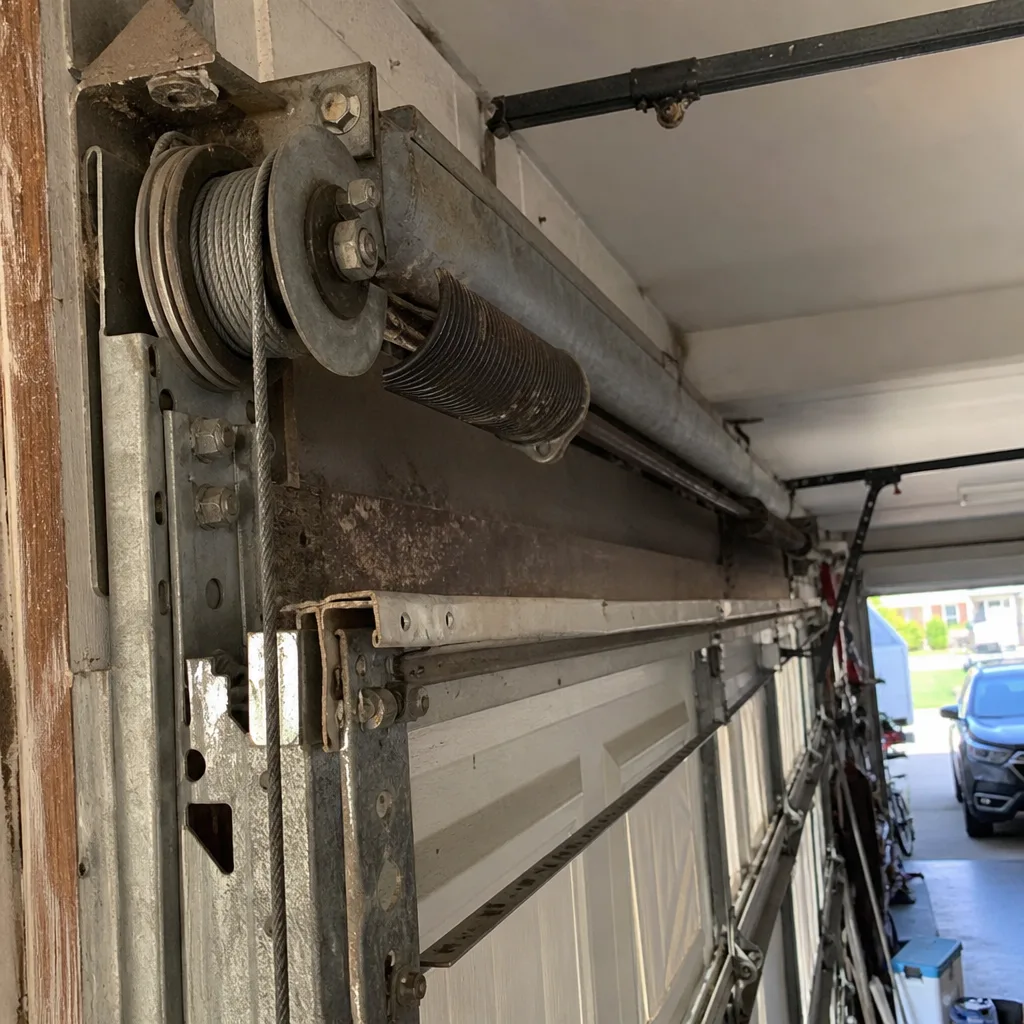 Before
 After
 Before
 After
 Before
 After